A few years before he passed, my friend Jason Polan and I were talking about illustrators we loved. I mentioned Joana Avillez. He stopped cold, put his hand on my shoulder and said, “dangerously cool.” And then repeated it for emphasis followed by, "She's the best." I had always wanted to work with her for Tinybop
, or one of my many children’s book projects—not for her coolness, which I’m sure she has in spades—but for her good taste and light touch.
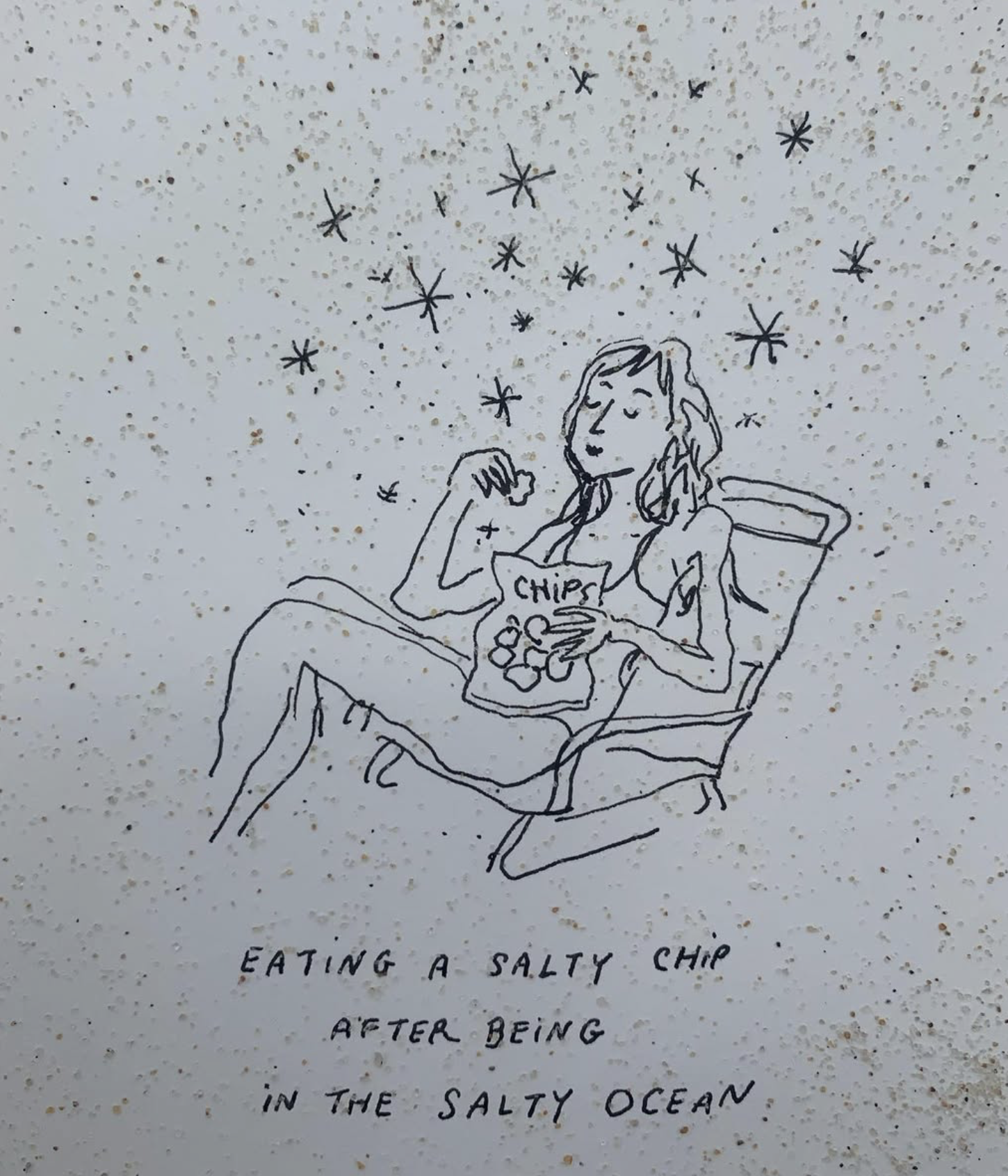 As someone who’s enjoyed following her
art
,
children’s book picks
, and
vintage photo obsessions
for years, she never seems to miss.
As someone who’s enjoyed following her
art
,
children’s book picks
, and
vintage photo obsessions
for years, she never seems to miss. 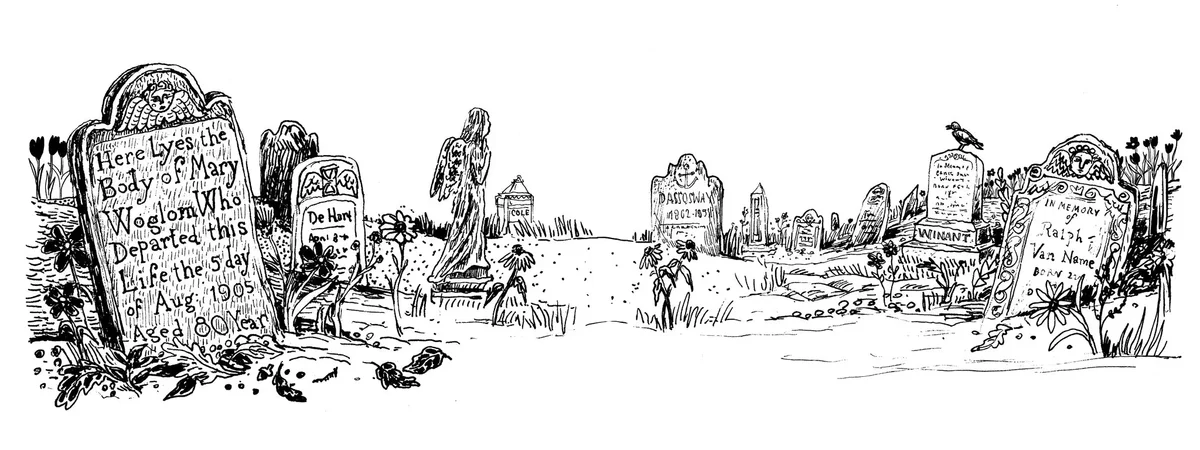 Today’s NY Times posted a
nice feature on Avillez
on her six-year journey illustrating a new edition of Joseph Mitchell’s “
The Bottom of the Harbor
.” If you don’t know the book,
Science Survey
explains why it was important and how Avillez’ work brings it to life. They describe Mitchell as a listener. I characterize Avillez as a noticer. This is a great match, and I can’t wait to get my copy.
Today’s NY Times posted a
nice feature on Avillez
on her six-year journey illustrating a new edition of Joseph Mitchell’s “
The Bottom of the Harbor
.” If you don’t know the book,
Science Survey
explains why it was important and how Avillez’ work brings it to life. They describe Mitchell as a listener. I characterize Avillez as a noticer. This is a great match, and I can’t wait to get my copy.
June 2026
5 posts
Sara Messinger

I’m a fan of single images that tell stories.
Sara Messigner is someone who notices things and sees stories all around. I love the combination of spontaneity and intensity of her images. As camera phones have become ubiquitous and everyone has become more camera-aware and it’s become increasingly difficult to make a truly candid image, yet Ms. Messigner seems to do it over and over again.
2am thoughts
Golden Age
I sometimes picture the ink
flowing from the books
thrown into the Tigris
by Hulegu Khan‘s army.
You never know it’s a golden age
'til it’s over.
Frames
If I open a shutter for a day,
people disappear.
In baobab time,
Buildings vanish.
But consider the rock.
If you are a rock, there are only other rocks.
Forever.
Tortillas con azúcar
My abuelita
made me sugar tortillas
and hot chocolate
every morning.
She and my abuelito
would joke about death
and about the conversations they would have on the other side.
She would say,
“Every day is the end of the world for somebody."
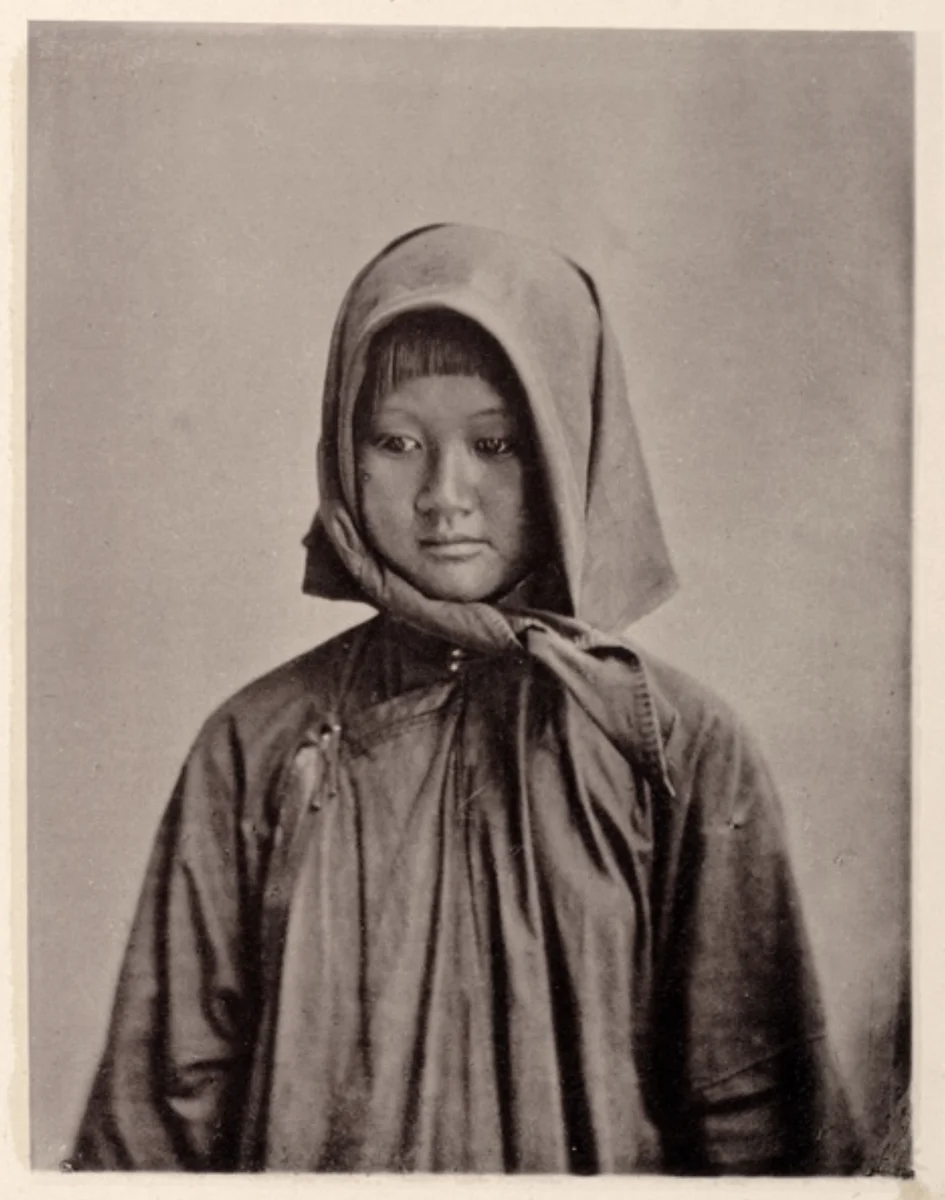
John Thomson's China
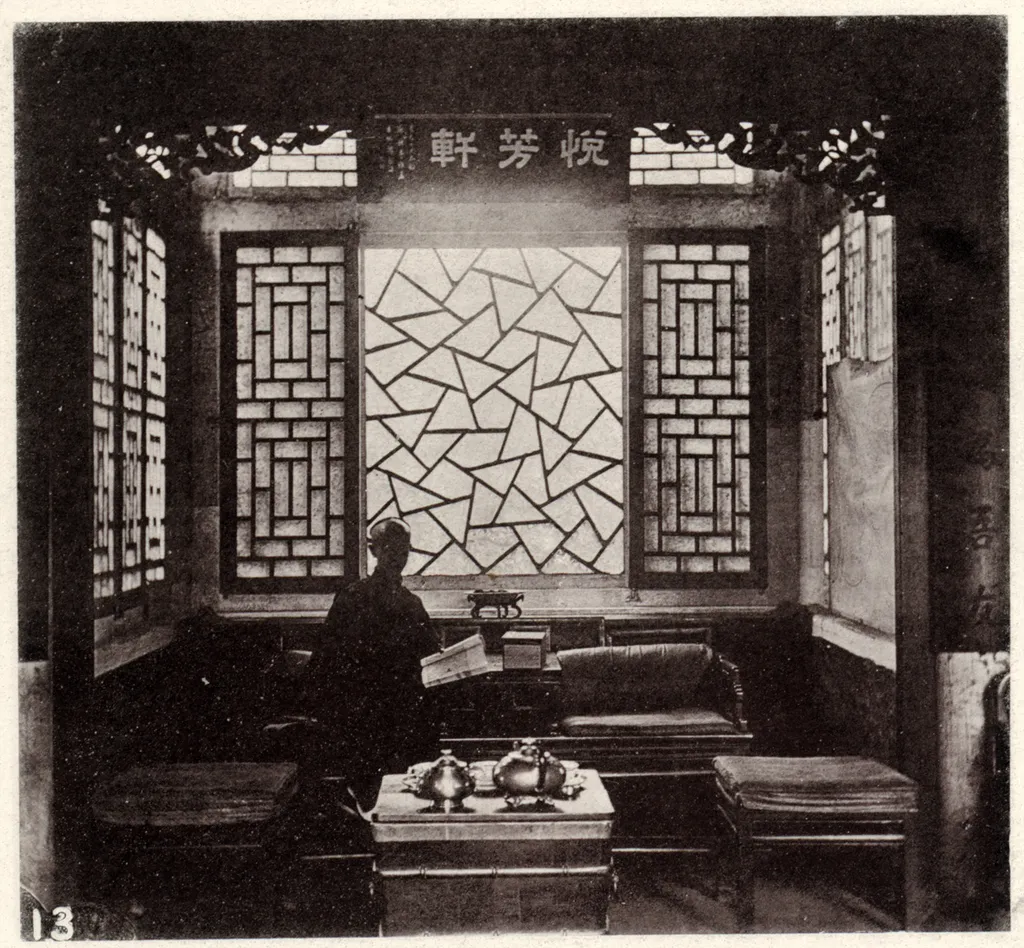
Between 1868 and 1872 Scottish photographer John Thomson made a series of trips in China travelling from Hong Kong to Beijing by boat and from Shanghai up the Yangtze to the Three Gorges.
He produced a book of over 200 photos arranged as a travelouge taking Europeans into Chinese homes of rich and poor. The photo above for example was taken in the home of Mr. Yang "a gentleman enormously rich, and holding an official rank in Peking.” (Thomson was clearly enchanted with Yang’s courtyard home which he described as "a paradise.”)
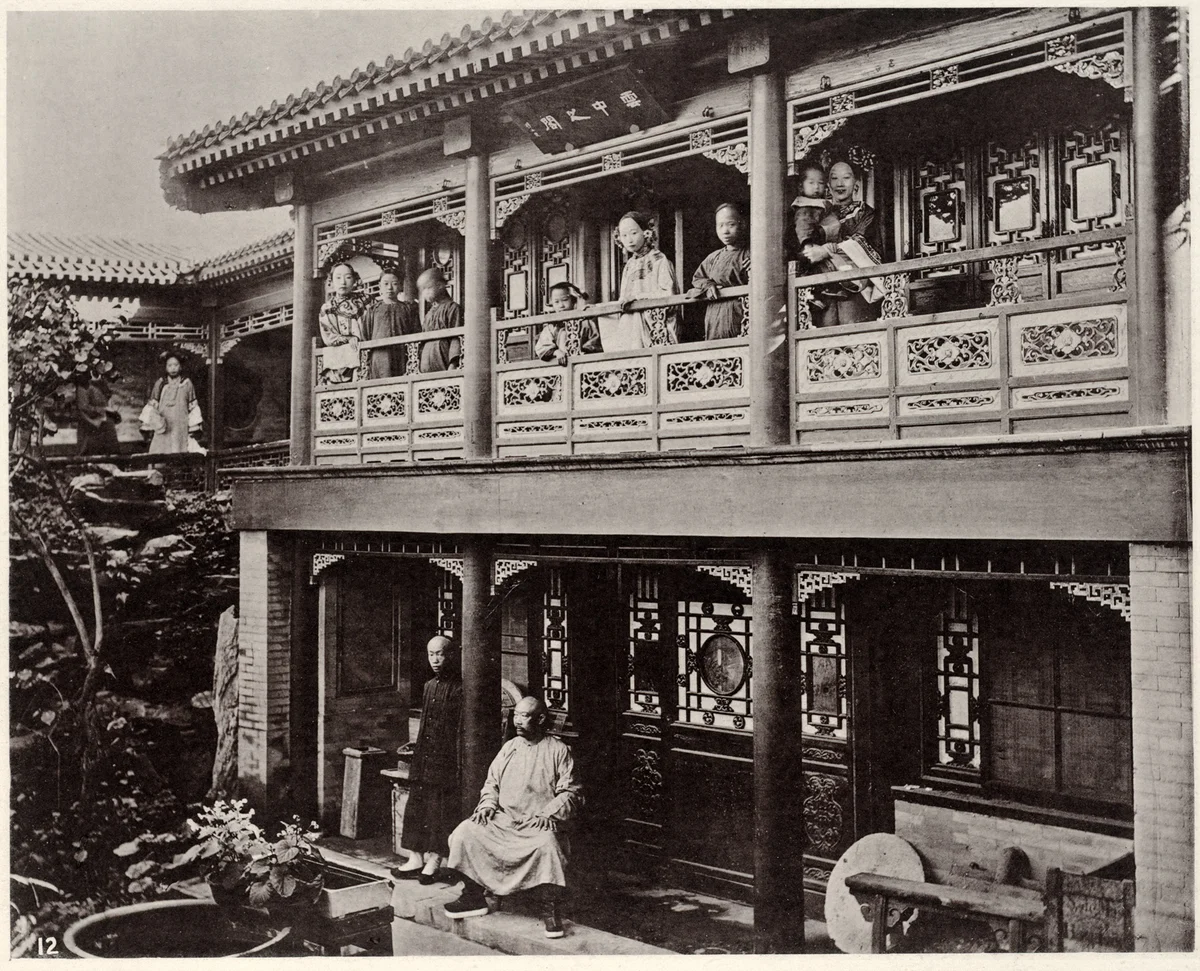
Many of the interior windows were covered with rice paper. Thomson noted that women (who were sequestered from the men) would touch their tounges to the paper making it temporarily transparent to peer through the spots as he passed by.
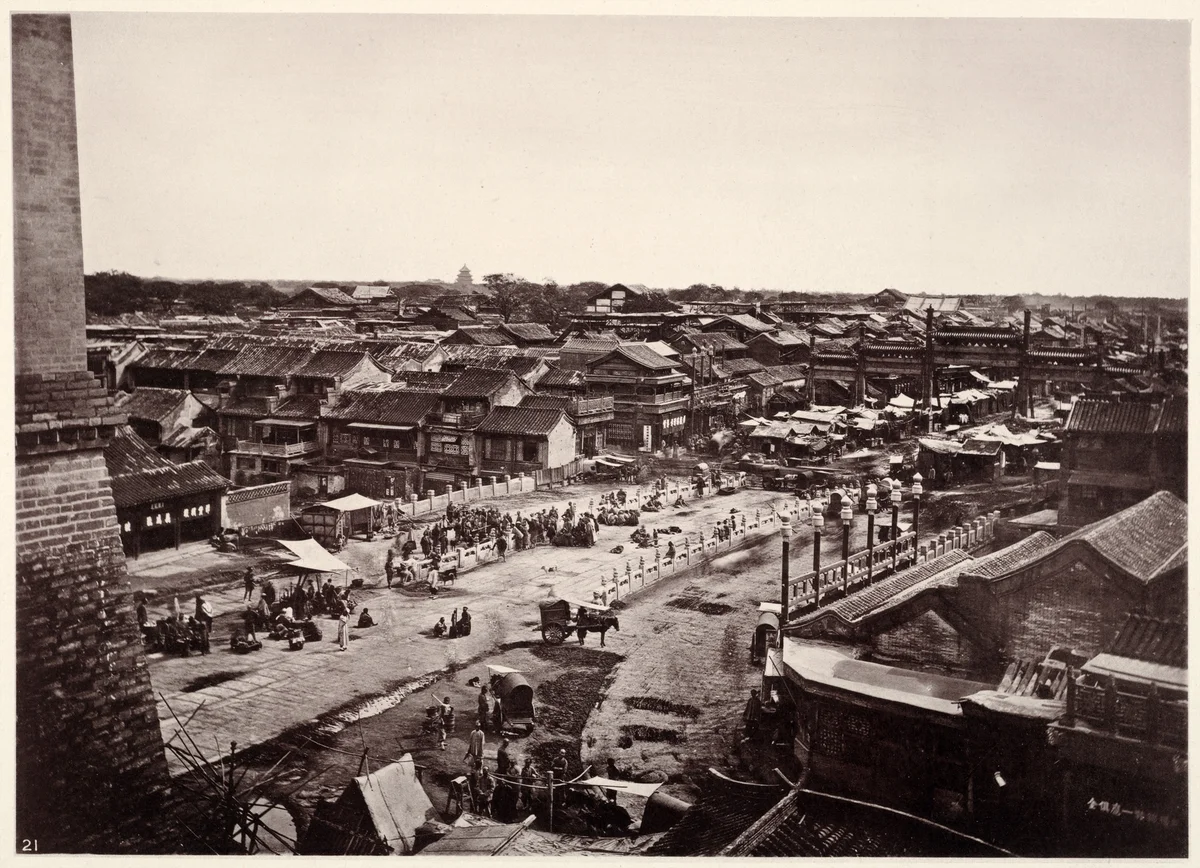
Look at these images full sized. There’s a lot hidden in the details. Unlike many other early photographers he didn’t spend all his time photographing palaces and ruins. He also captured a lot of daily life including peasants, merchants, and criminals.
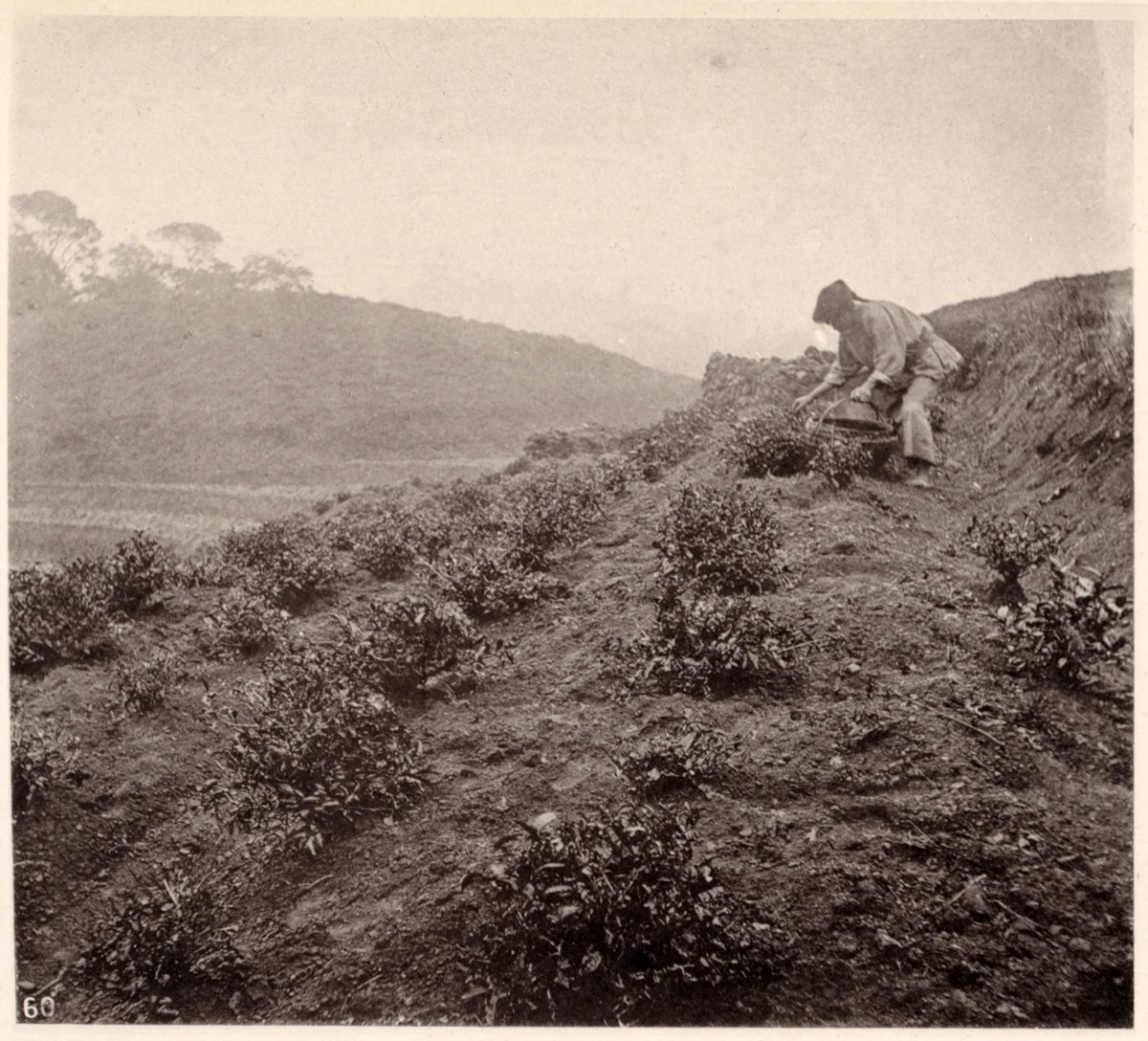
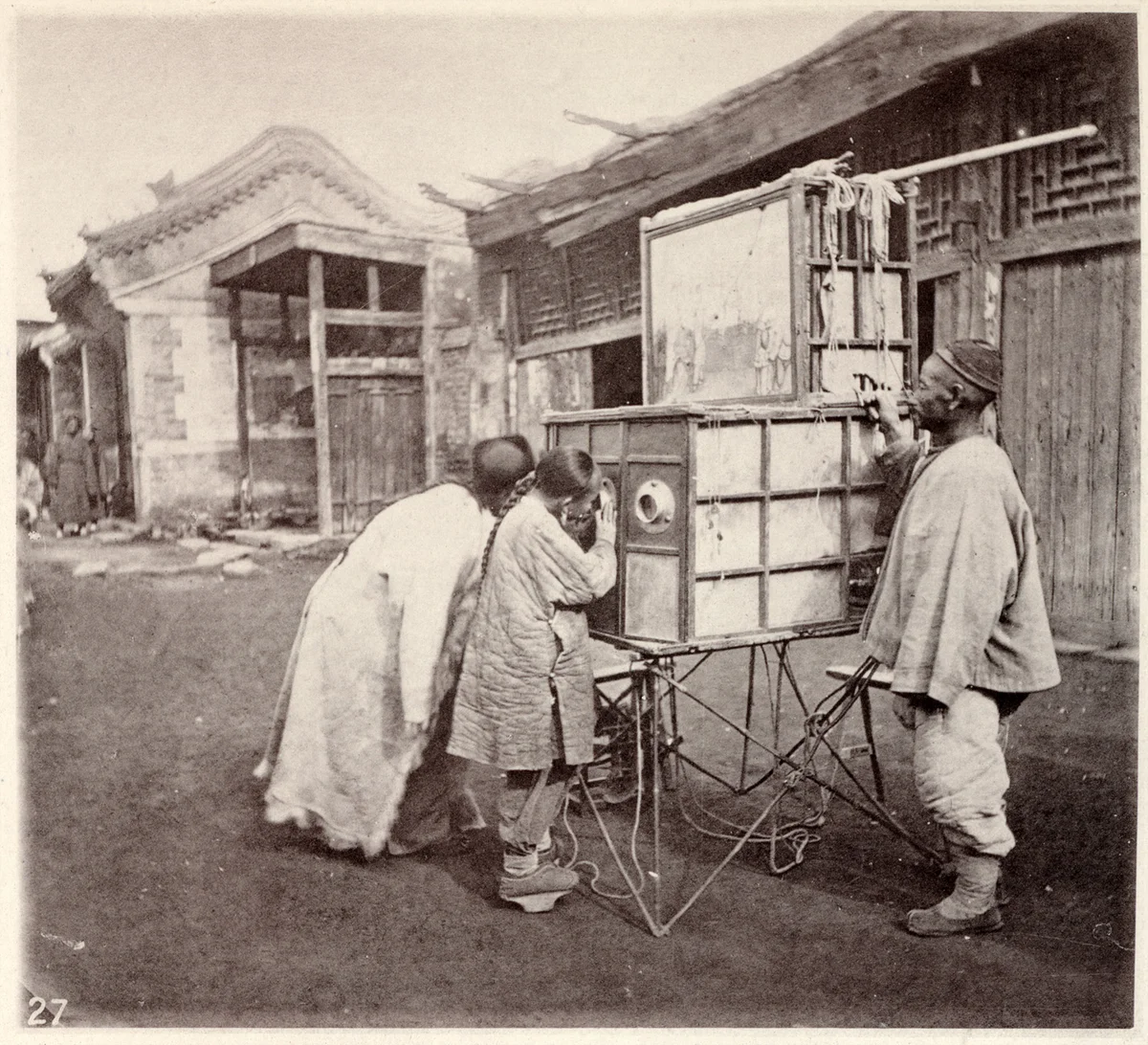
It’s an extraordinary peek into a the complex layered society that would be swept away by the series of wars and revolutions that would roil China for the much of the next 80 years.
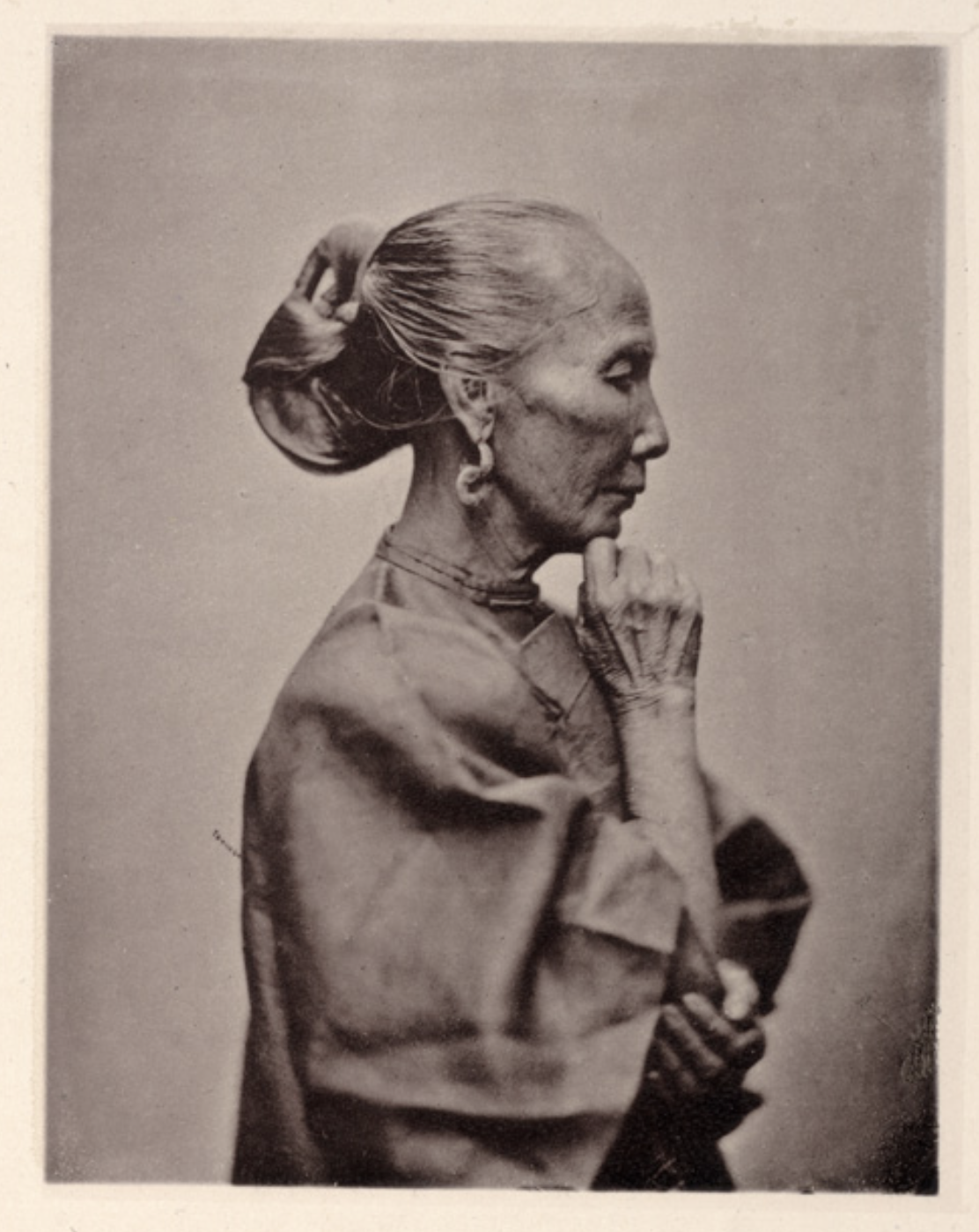
More early photography from China: Historical Photographs of China, Shackford Collection, Cornell University Collection (search for “China") .
Arroz Nuevo Leon
This is my family rice recipie. People really really like this rice. It’s full of flavor. Let me know how it goes for you.
Ingredients:
2 cups long-grain rice
1/4 cup rendered lard or vegetable oil
1/2 bell pepper
5 cloves garlic, finely grated
3 medium chopped carrots
2/3 medium yellow or white onion, chopped
1 tablespoon of cumin
1 chicken bullion cube
4 teaspoons Kosher salt
3 tablespoons tomato paste
4 cups homemade chicken stock
1-5 jalapeño chiles
fresh cilantro
Brown the rice (8 mins)
Heat a large flat bottomed skillet over medium medium-high heat. Add the dry, unwashed rice, stir it with a wooden spoon until it’s toasted (it will have a rich slightly nutty smell). The key is to keep it moving, try to not let it burn.
Prepare the Flavor (around 7 mins)
Warm a Dutch oven over medium heat.
One by one add the lard/oil, bell peppers, garlic, carrots, onions an the teaspoons salt stir until until the vegetables are soft and beginning to brown
Add the tomato paste stirring it into the vegetables until it's a deep brick color. This should only take a minute.
Cooking the rice (20 mins)
Pour in the chicken stock stock and add the buillon cube and the cumin powder. Keep it on medium-high heat until it boils.
Stir in the rice. When it gets to a boil again, add the chiles, lower the heat to low and put the lid on. Ignore the impulse to check the rice for 20 minutes. Afterwords, peek under to see if all the liquid is gone; if not, continue to cook for at least 10 minutes and check again. Once the liquid has been absorbed, remove from the heat. The rice should be soft and fluffy. Serve with some fresh cilantro on top.
Variations
1. Add peas or corn (or both) when you stir in the rice.
2. Add grilled chicken pices when you stir in the rice.
5. Use crushed cumin seeds instead of ground cumin.
5. Grate 2 serrano chilis and add them just before putting the lid on. (Spicier)
How to serve
1. By itself
2. On a warm corn tortilla with beef, chicken, goat, or potatoes.
3. On a warm corn tortilla with chopped cilantro, onion, and a spritz of lime.