Augsburg Book of Miracles (Augsburger Wunderzeichenbuch)

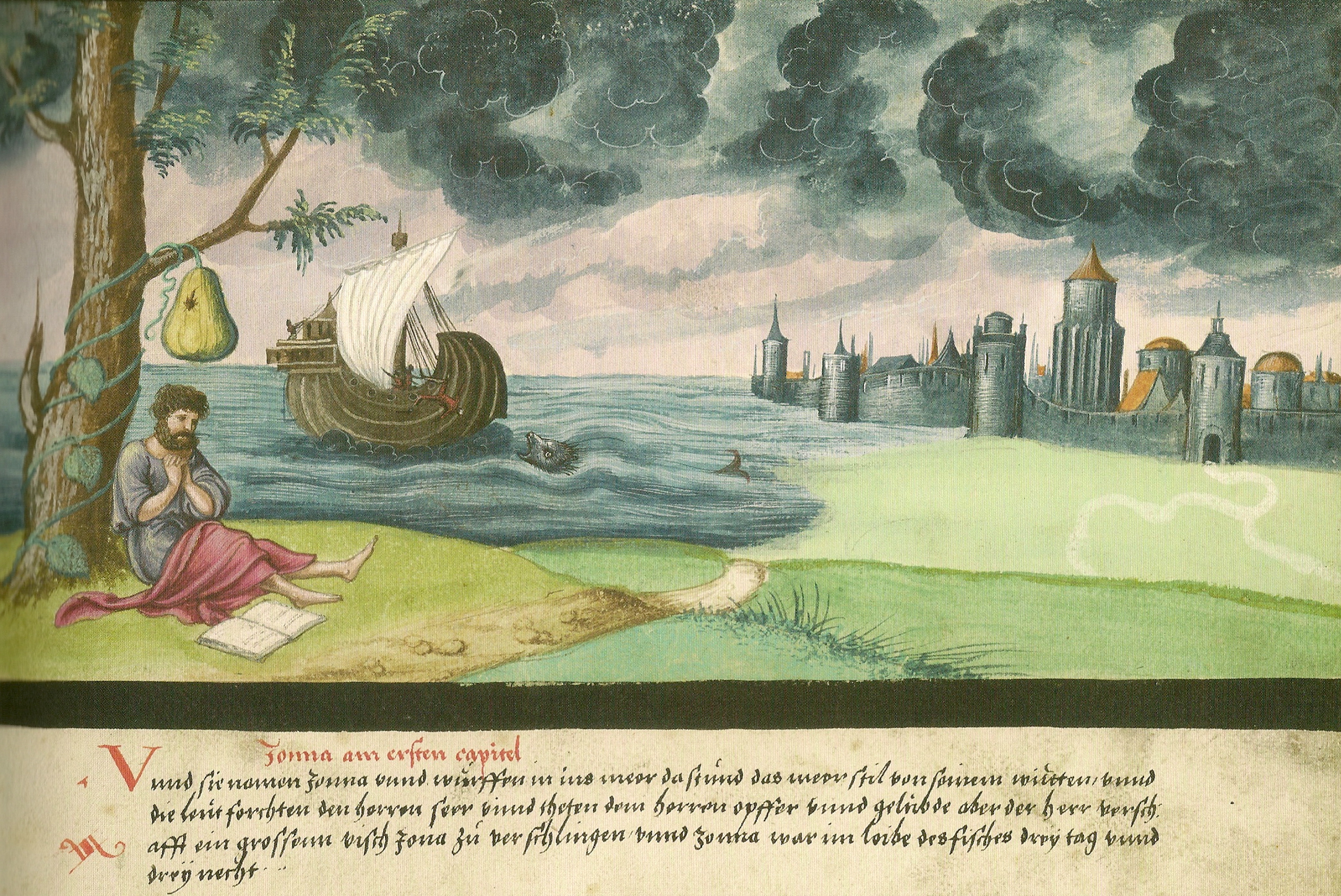
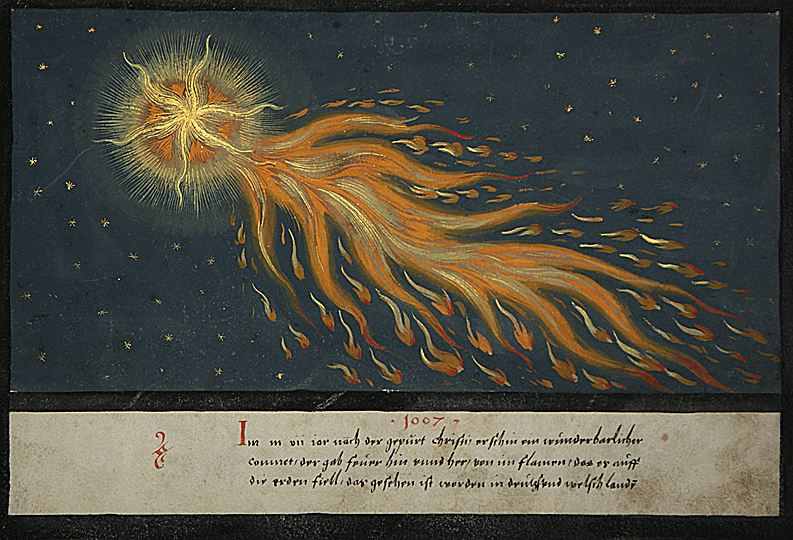
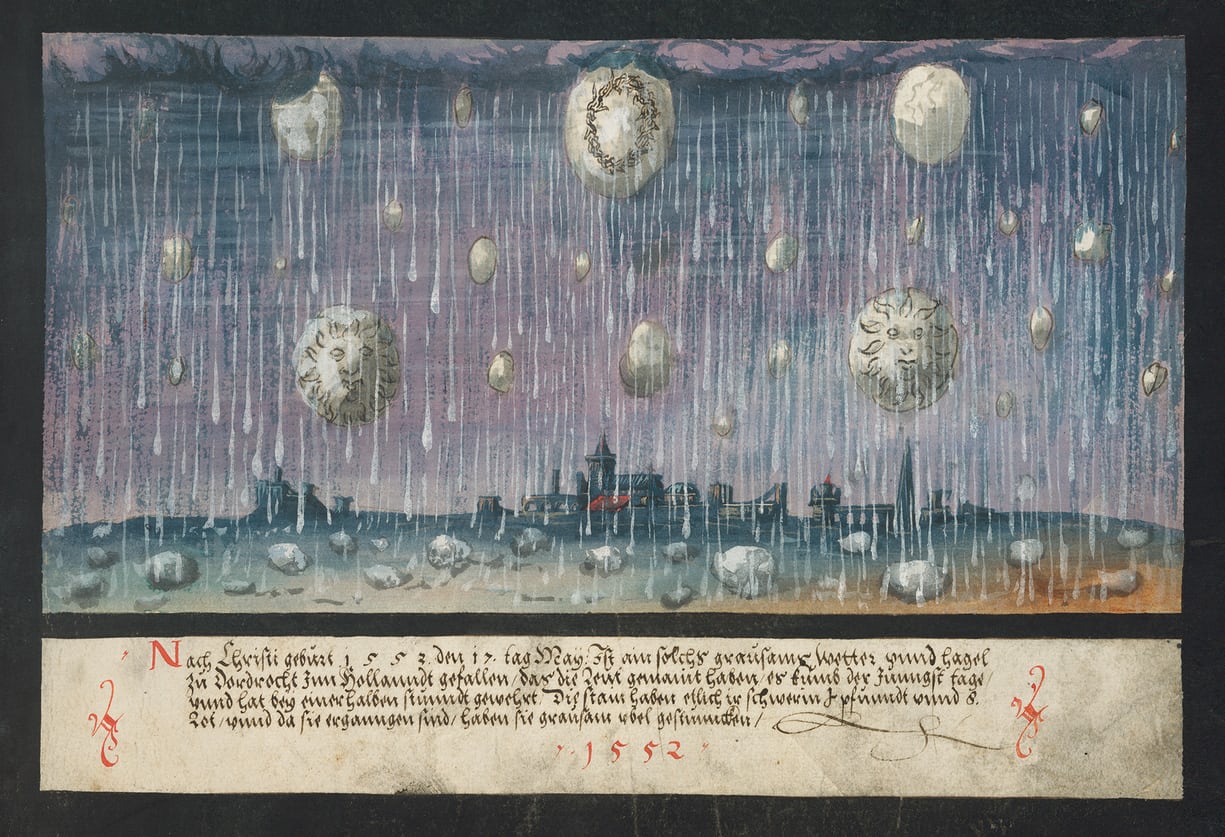
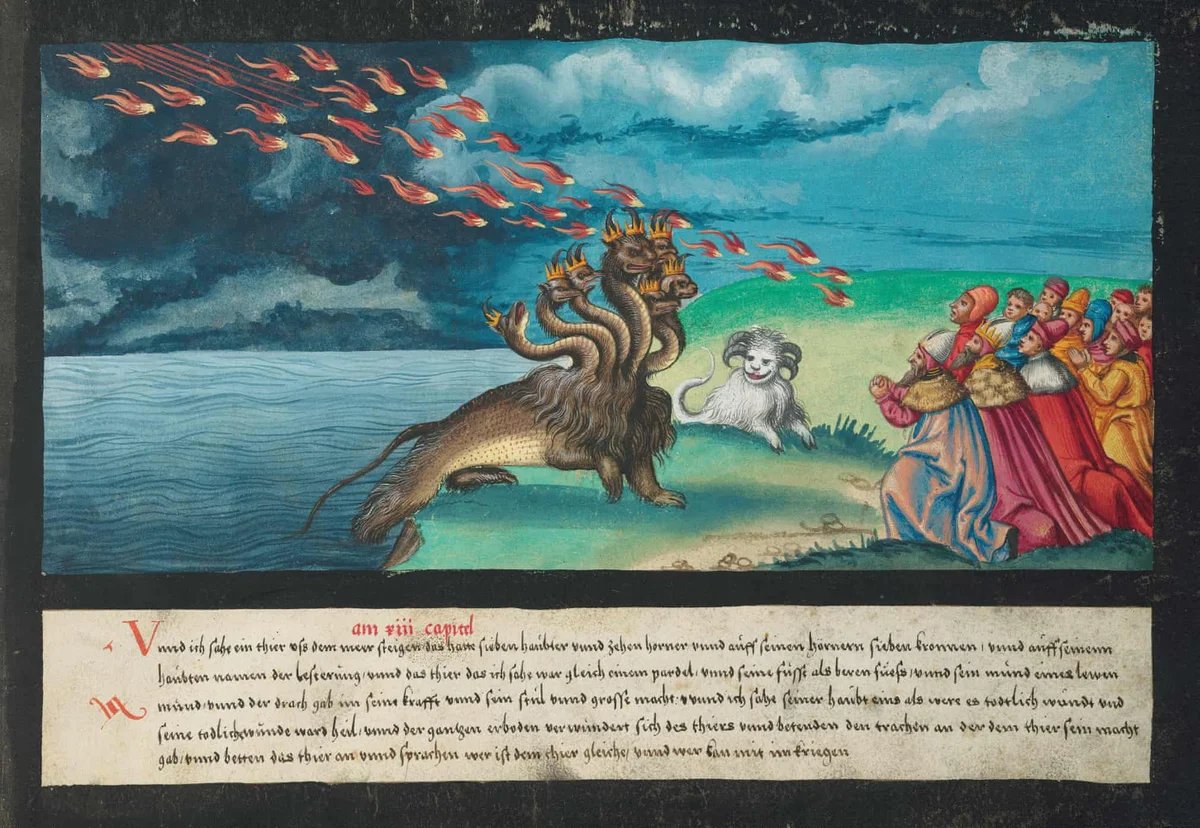
A page from the Book of Miracles

I’m not exaggerating when I say that hardly a week goes by that I don’t reference the Book of Miracles​​. If you don’t know it, it’s an illuminated manuscript from 1545 cataloging the unusual, the bizarre, and the amazing. Some of the illustrations show scenes from the Bible, some show spectacular contemporary events (comets, rainbows, plagues… you know, your garden variety portents) and some show what the artist think will happen eventually (Book of Revelations-type images). 

My idle thought is that we haven’t progressed very much. Isn’t TikTok a modern version of this? Every flood, eclipse, near miss, or strange phenomenon is cataloged to lull all of us in the hoi polloi into rapt amazement. 

There’s an excellent reproduction​ by Taschen available if you’re looking to splurge on yourself.  These images are spectacular. I reference them for everything.


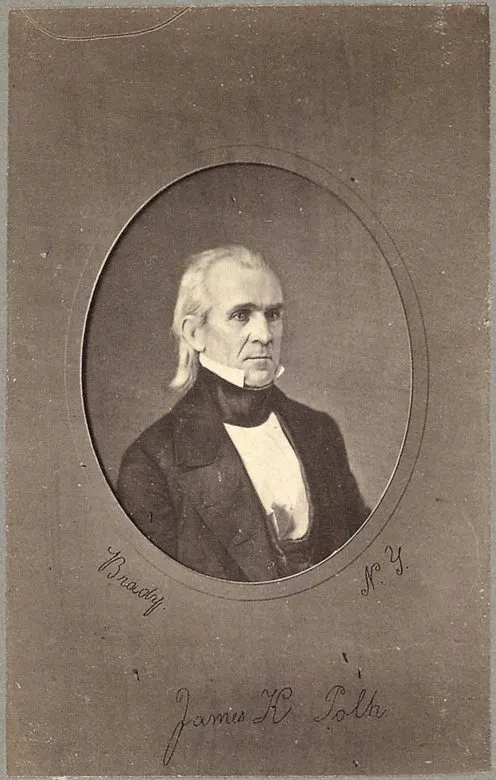
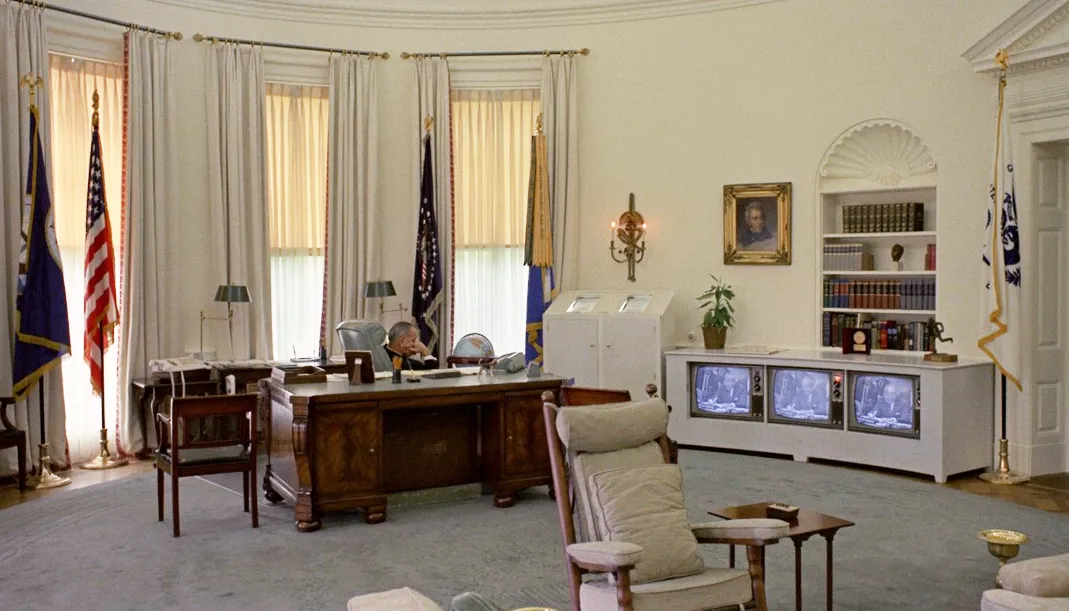
Photographs of American Presidents

Have you ever been wondering about something, googled it, and discovered a post you made a few years ago on that very subject?
Today I was googling early portraits of American presidents and found a post I made on Medium a few years ago ( https://themexican.medium.com/photographs-of-american-presidents-1e4337babfe3​) that I had forgotten about. There are a few deep cuts in there. It’s worth the click if this kind of thing interests you. 


Beliefs

I believe in experts. I believe in people who have spent their whole lives chasing ideas until they become so immersed that they are overwhelmed by how little they know.

I believe in artists. I like people who stand naked on stage and aren’t afraid of covering a canvas with paint because they feel something so deeply that it must be heard even at the risk of embarrassment or even ruin.

I believe in ghosts because I carry so many of them. 

I believe in hard work. To hell with work-life balance. Chase ideas, cross the t's and dot the i’s. Spend time doing stuff nobody will ever see, but you know is there.

I believe in dropping in with friends unexpectedly and having friends drop in unscheduled and without an agenda.

I belive it’s what you do in this world that matters.

I believe you can only control what you can control.

I believe in garlic and cumin and onion. Generally in combination. Sometimes with tomato. Always with salt.

I believe most people are mainly thinking about themselves so get over yourself. 

I believe most people never know when they are at their most beautiful. And that most people are never told in those moments, but they are there, out there, just being amazing.

I believe in carrying the burdens of the people you love as much as you can, because what is love without sacrifice?

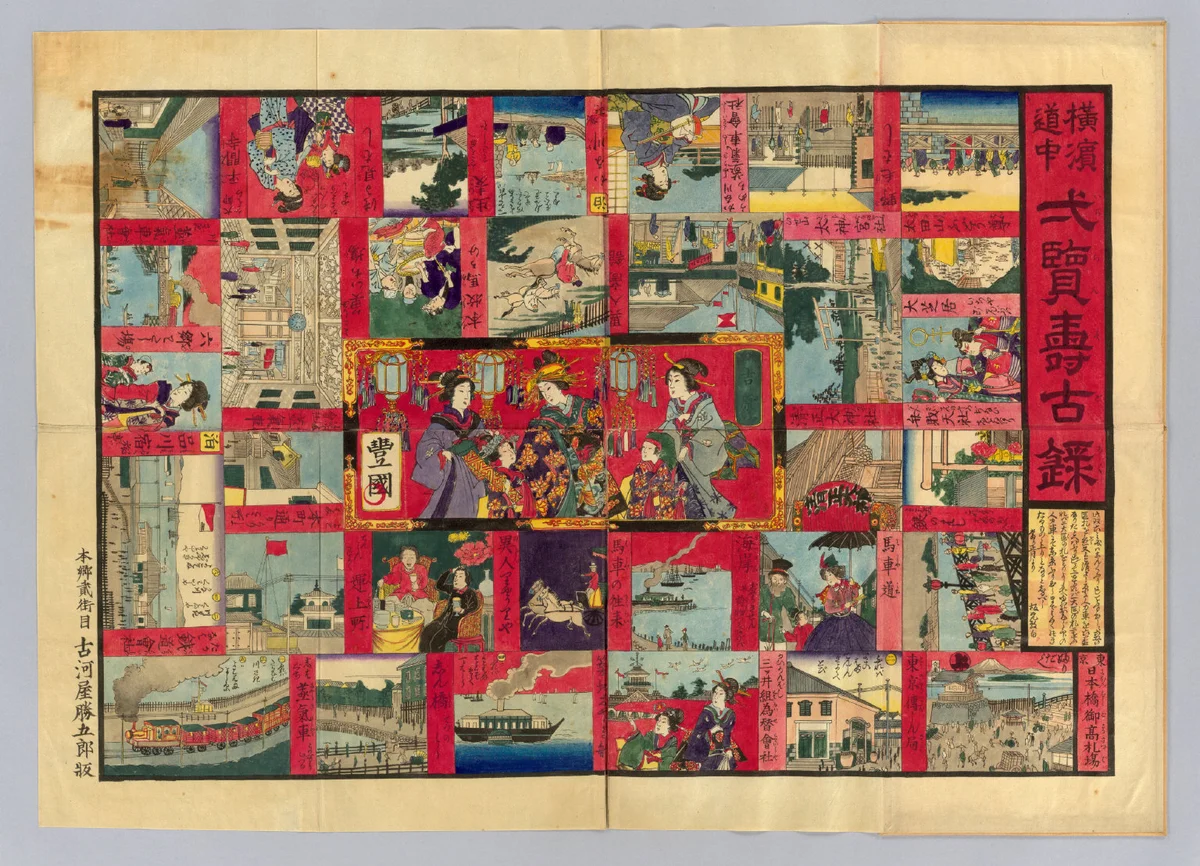
Sugoroku (双六)

Yokohama dochu ichiran sugoroku.
Yokohama dochu ichiran sugoroku.1872.

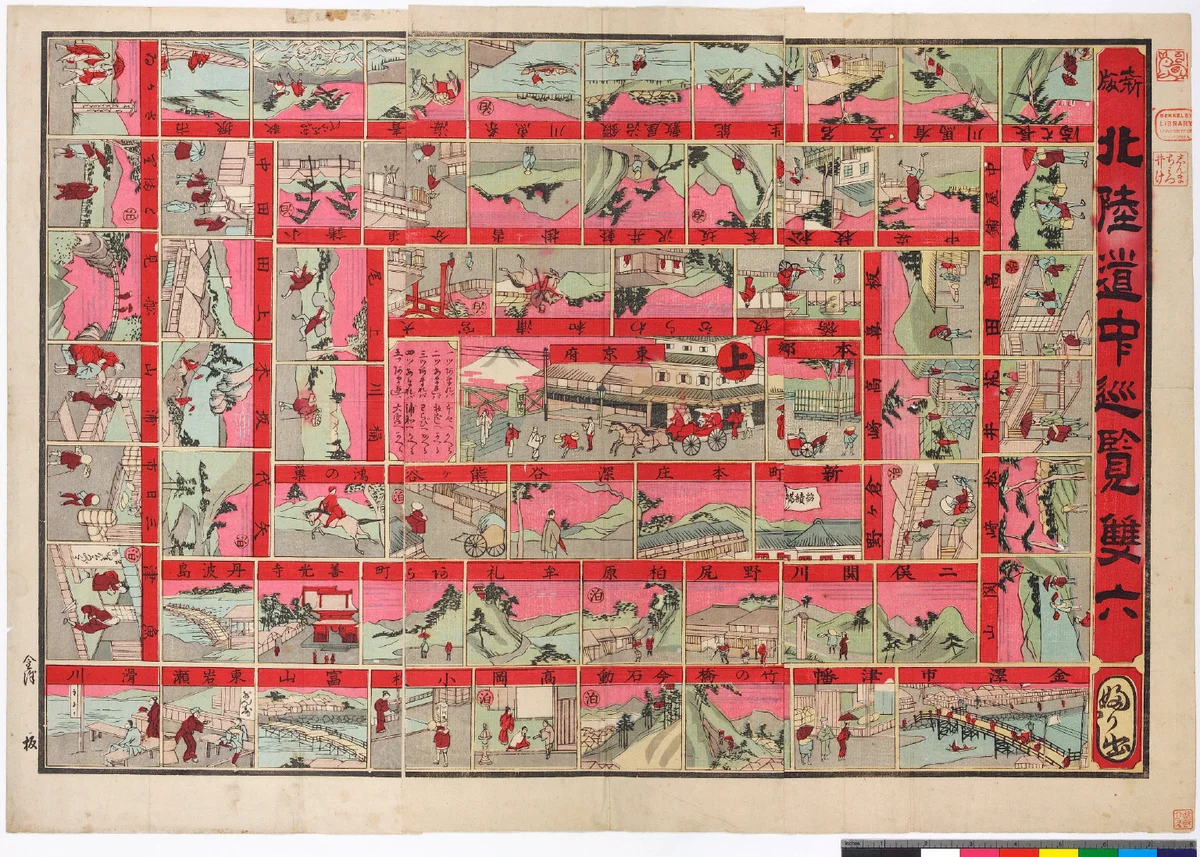
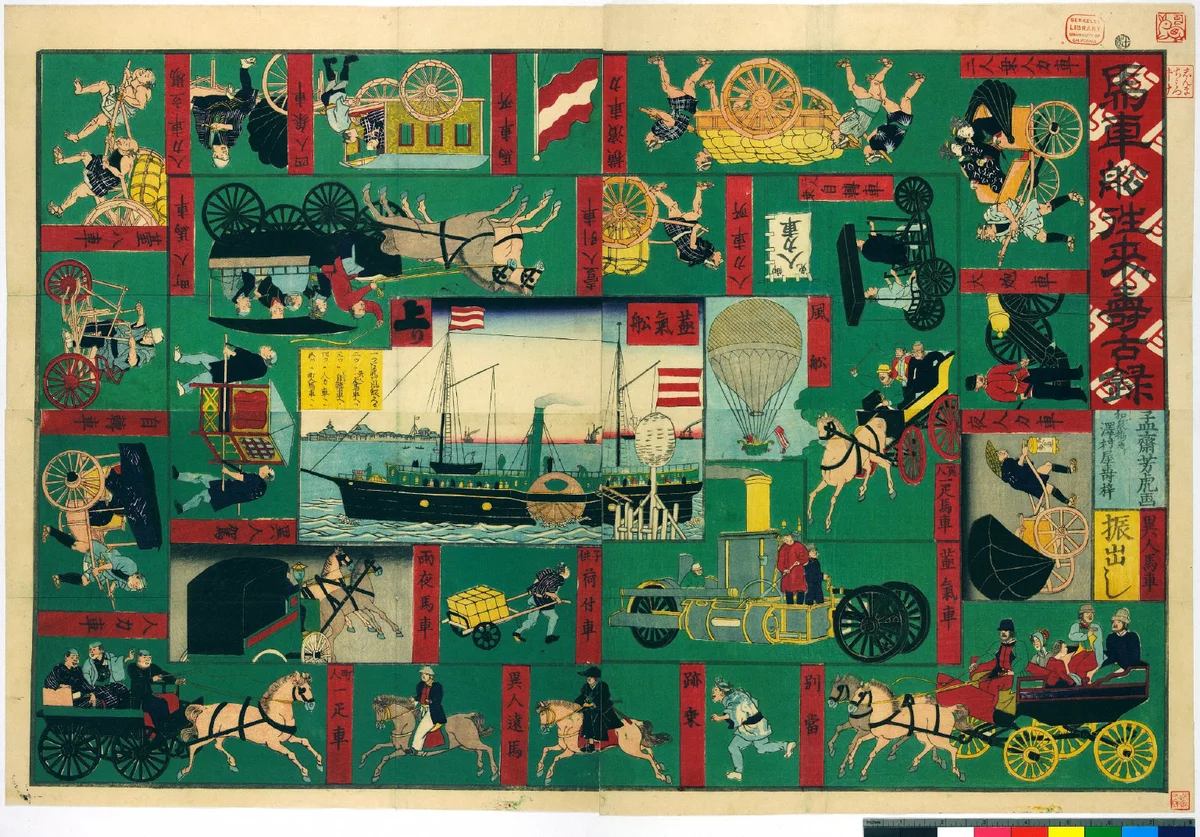
Whenever I’m in need of visual inspiration, I’ll head over to the the David Rumsey Collection, one of world’s great map collections. They’ve recently posted a collection of over 200 sugoroku game boards ​. 

Sugoroku  (translated double six) is the name of two types of dice games. The first is a type of ancient backgammon (ban sugoroku), the second is a snakes and ladders-type game (E-sugoroku). They’ve been played for centuries, but during the Edo period E-sugoroku which uses printed game boards exploded in popularity with the rise of woodblock printing. The gameboards use stories and maps to teach children history and geography. 

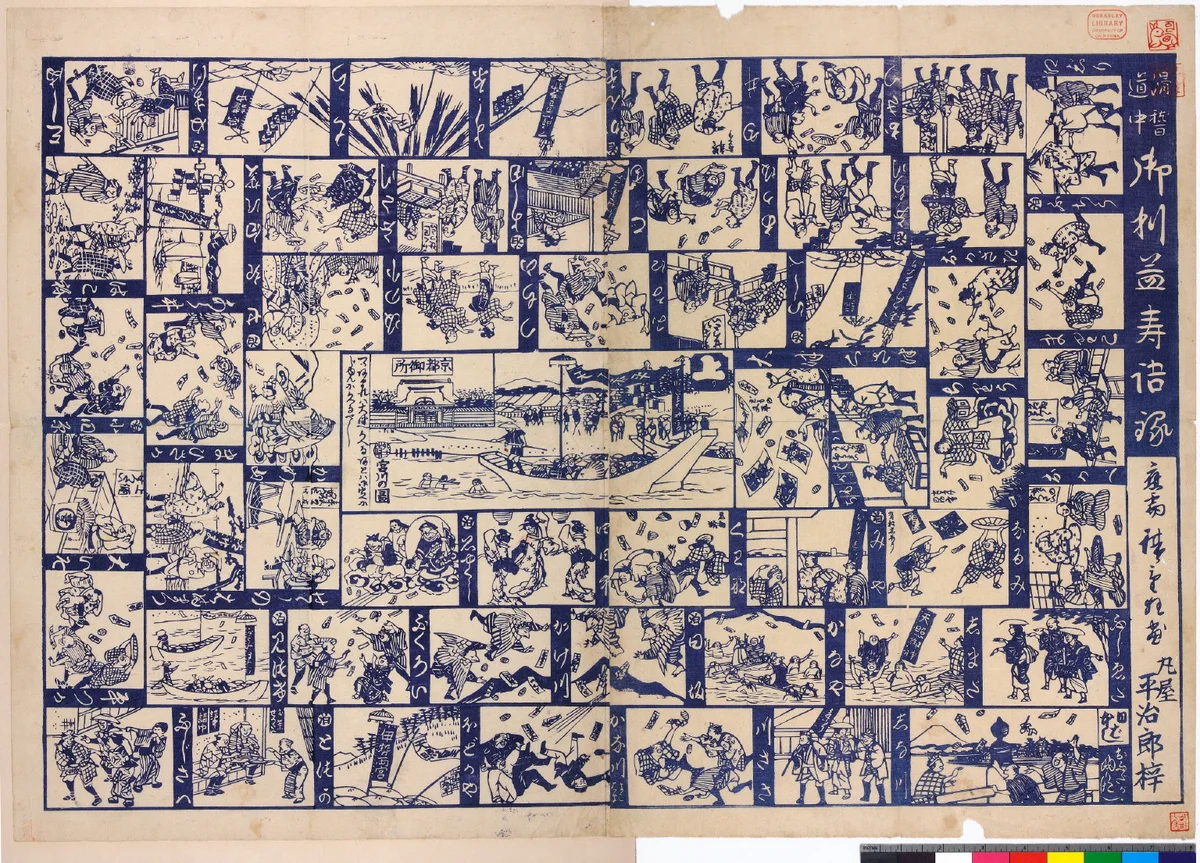
There is so much to see here. Pro tip, if you want to understand what’s going on, drop them screenshots a good multimodal model and ask for a translation. For example in the blue image above Claude tells me:

"This imagery strongly indicates that the board is commenting on the 1867 “ofuda-furi” or “ee ja nai ka” phenomenon. Reports spread that sacred talismans were mysteriously falling from the sky. Communities responded with religious celebrations, feasting, dancing, costumes, and sometimes disorder.”  

Go get lost ​. Want to learn more about sugoroku? Entropic Dreams has the skinny ​. 

Giant Eyeball Guy

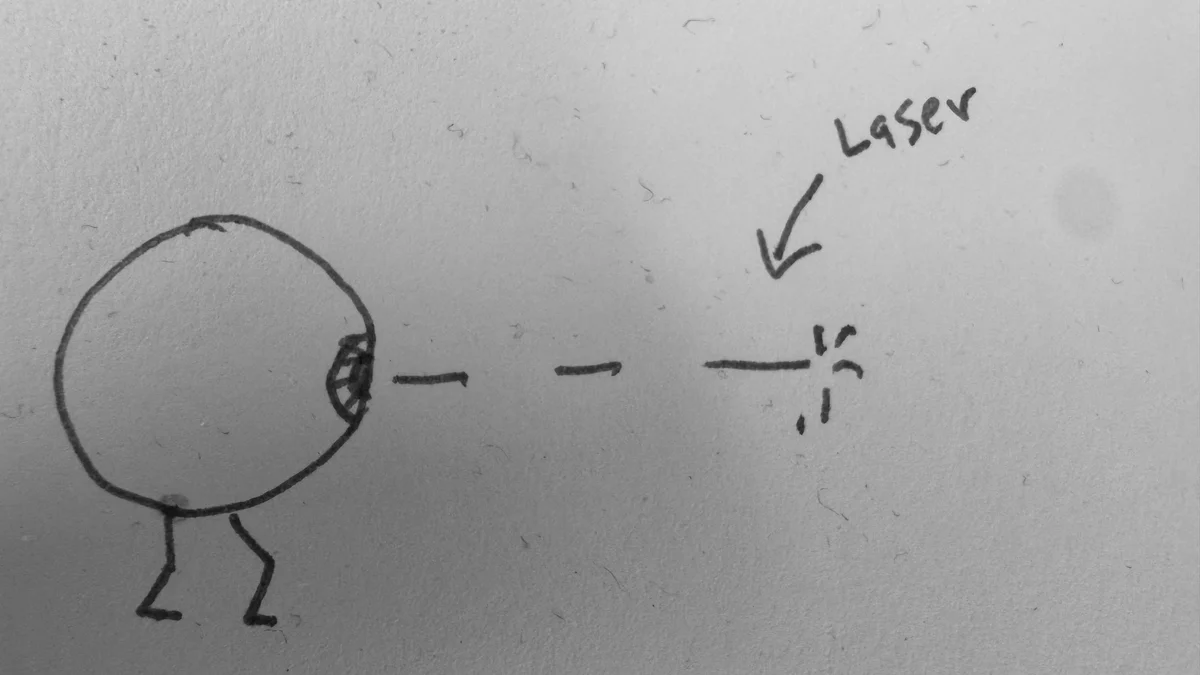
For years I’ve doodled a giant eyeball guy. 

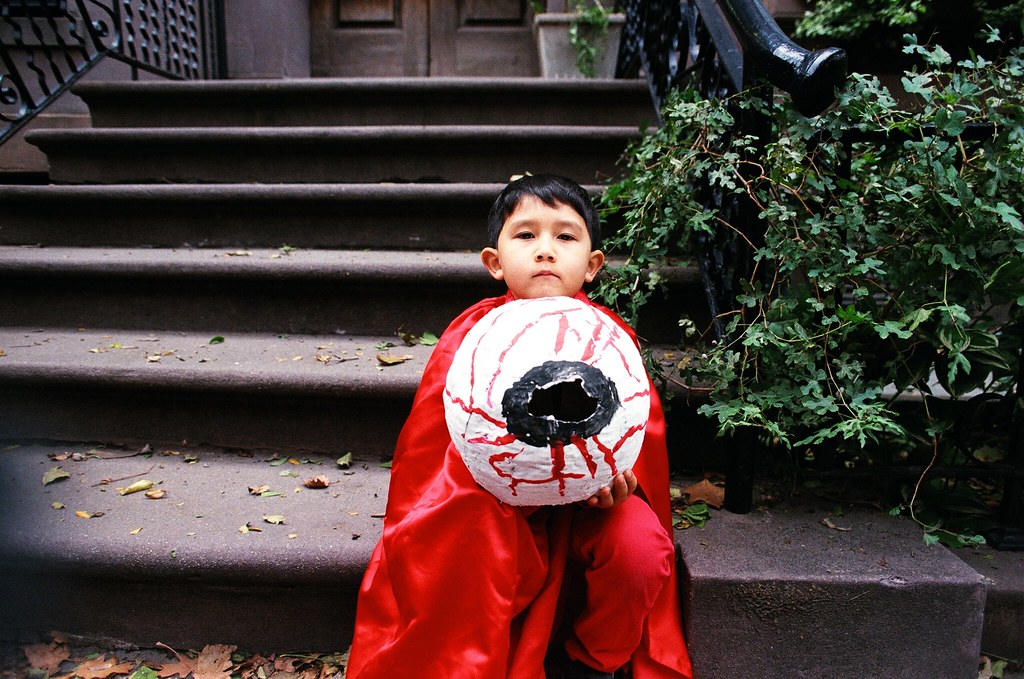
It’s been a thing in our family for years. 


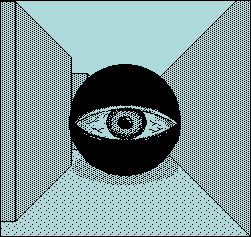
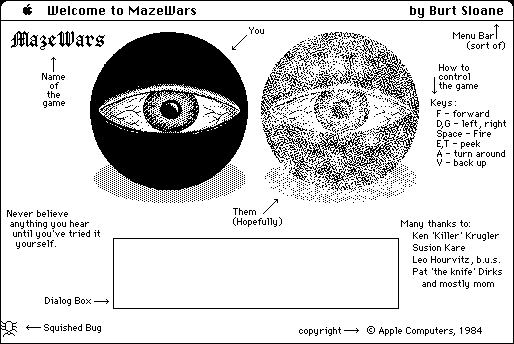
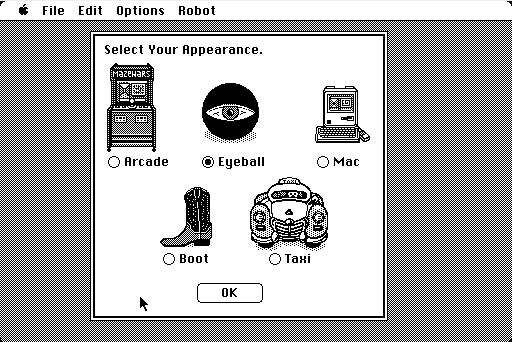
It was only today that I realized that this whole time I’ve been doodling the eyeball from Maze Wars which was the first multiplayer game I ever experienced (by MacroMind… later Macromedia).


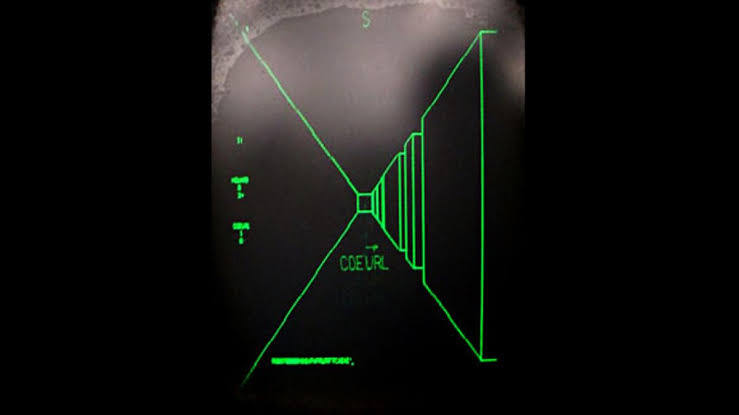
Maze Wars has a history that predates the Mac and was originally developed by a bunch of high school students in 1973​.

NASA version of Maze War. 1973.

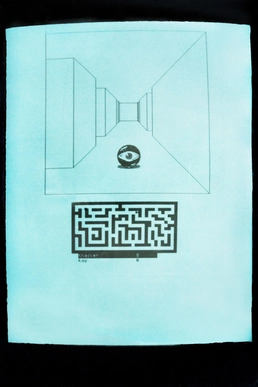
Photo of Xerox Alto version of the game, featuring the eyeball avatar of another player
The Xerox Alto Version of Maze Wars.

I wonder if knowing where the eyeball came from will change my relationship to it. It’s hard to say, but I kind of think that after all these years, he probably needs a new playground.

Arroz Nuevo Leon

This is my family rice recipie. People really really like this rice. It’s full of flavor. Let me know how it goes for you.  

Ingredients:
2 cups long-grain rice
1/4 cup rendered lard or vegetable oil 
1/2 bell pepper
5 cloves garlic, finely grated 
3 medium chopped carrots
2/3 medium yellow or white onion, chopped 
1 tablespoon of cumin
1 chicken bullion cube 
4 teaspoons Kosher salt 
3 tablespoons tomato paste 
4 cups homemade chicken stock
1-5 jalapeño chiles
fresh cilantro

Brown the rice (8 mins)

Heat a large flat bottomed skillet over medium medium-high heat. Add the dry, unwashed rice, stir it with a wooden spoon until it’s toasted (it will have a rich slightly nutty smell). The key is to keep it moving, try to not let it burn. 

Prepare the Flavor (around 7 mins)

Warm a Dutch oven  over medium heat. 

One by one add the lard/oil, bell peppers, garlic, carrots, onions an the teaspoons salt stir until until the vegetables are soft and beginning to brown

Add the tomato paste stirring it into the vegetables until it's a deep brick color. This should only take a minute.

Cooking the rice (20 mins)

Pour in the chicken stock stock and add the buillon cube and the cumin powder. Keep it on medium-high heat until it boils. 

Stir in the rice. When it gets to a boil again, add the chiles, lower the heat to low and put the lid on. Ignore the impulse to check the rice for 20 minutes. Afterwords,  peek under to see if all the liquid is gone; if not, continue to cook for at least 10 minutes and check again. Once the liquid has been absorbed, remove from the heat. The rice should be soft and fluffy. Serve with some fresh cilantro on top. 

Variations

1. Add peas or corn (or both) when you stir in the rice.

2. Add grilled chicken pices when you stir in the rice. 

5. Use crushed cumin seeds instead of ground cumin.

5. Grate 2 serrano chilis and add them just before putting the lid on. (Spicier)

How to serve

1. By itself

2. On a warm corn tortilla with beef, chicken, goat, or potatoes.

3. On a warm corn tortilla with chopped cilantro, onion, and a spritz of lime.
John Thomson's China

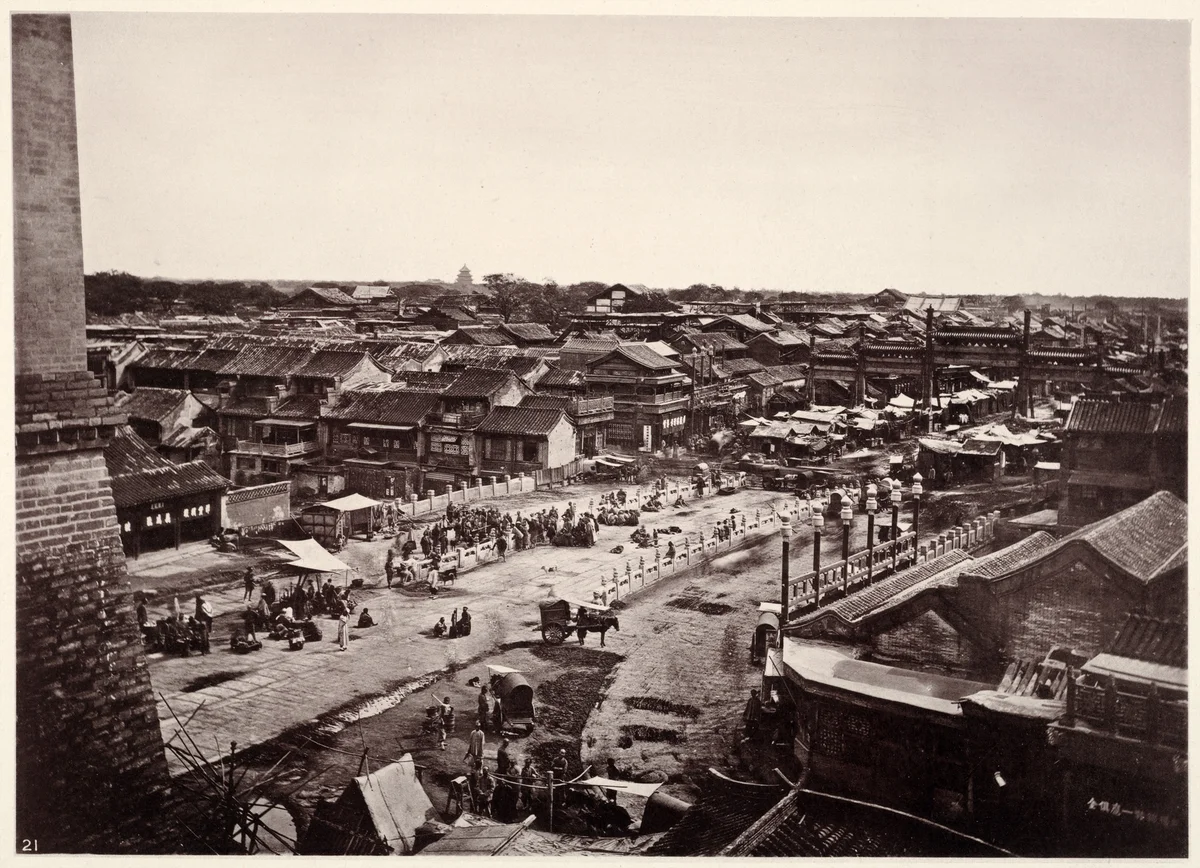
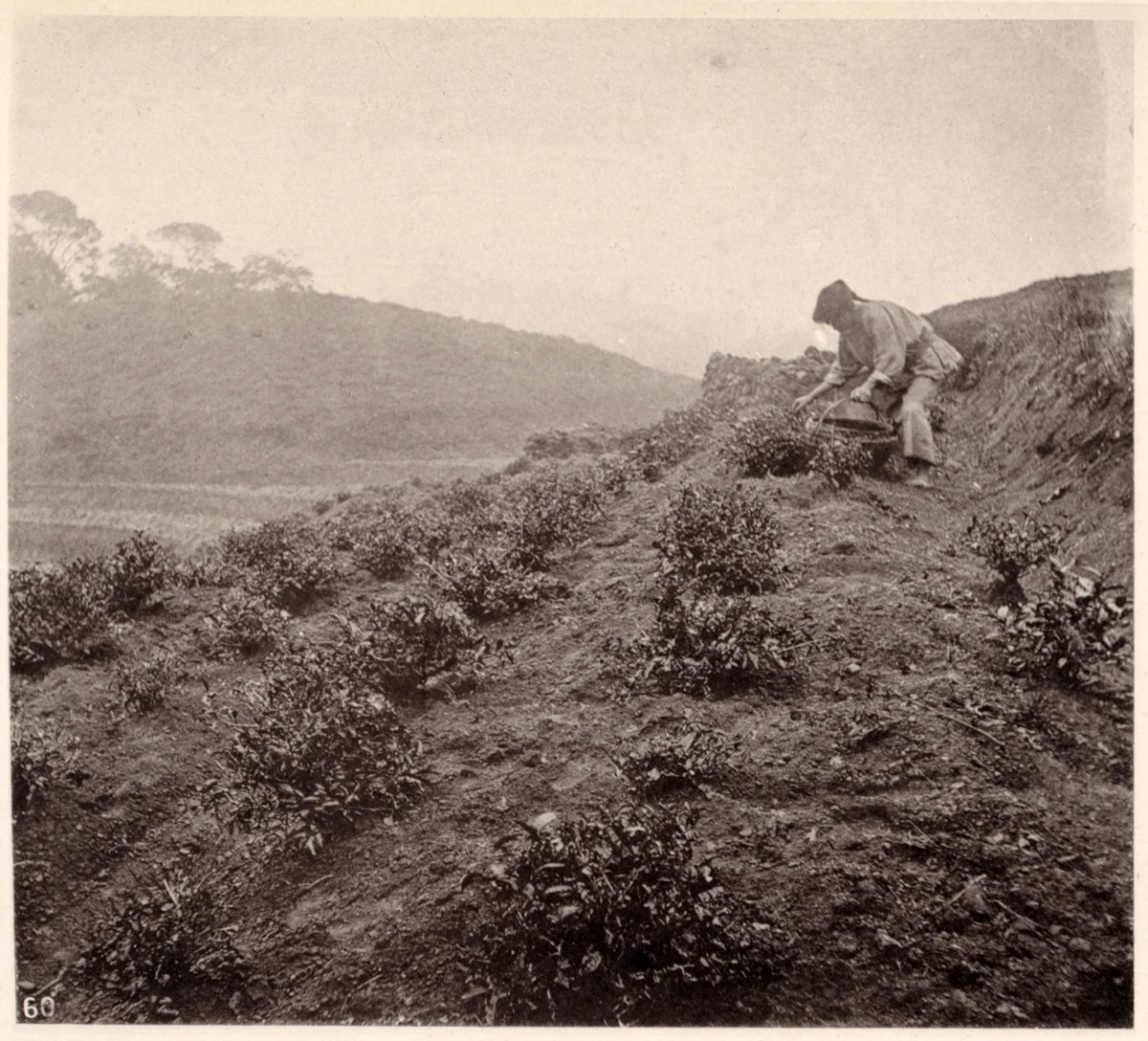
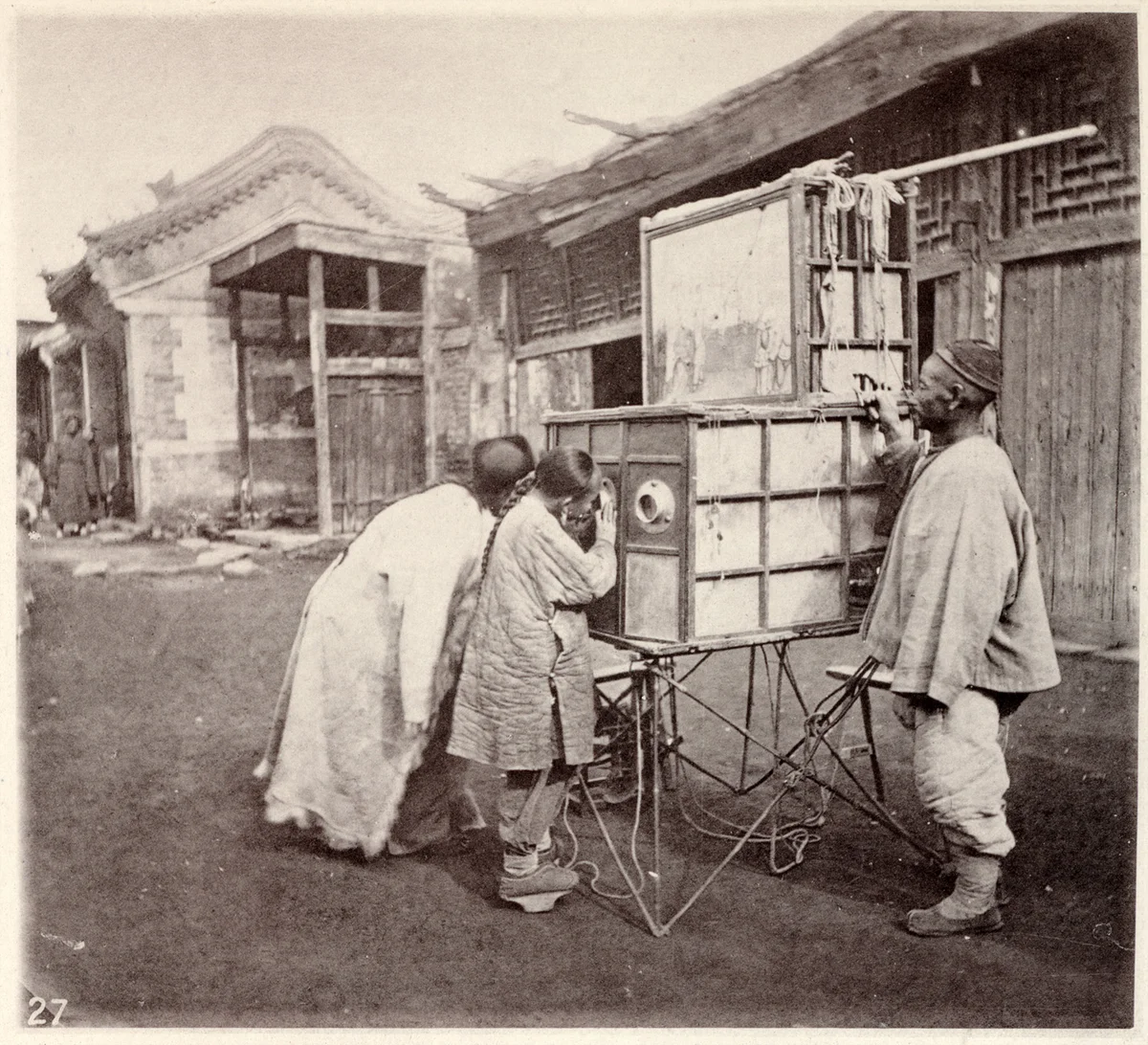
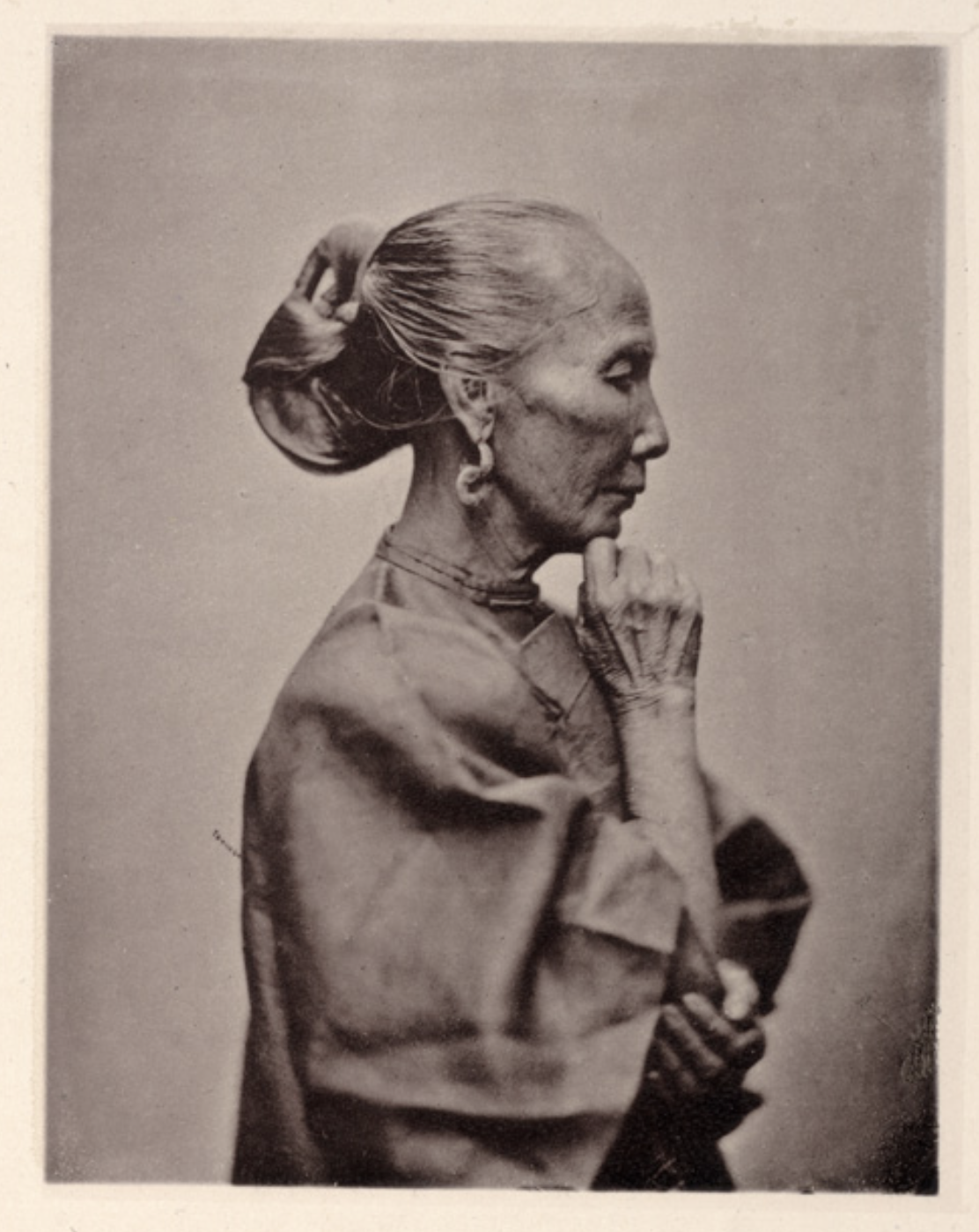
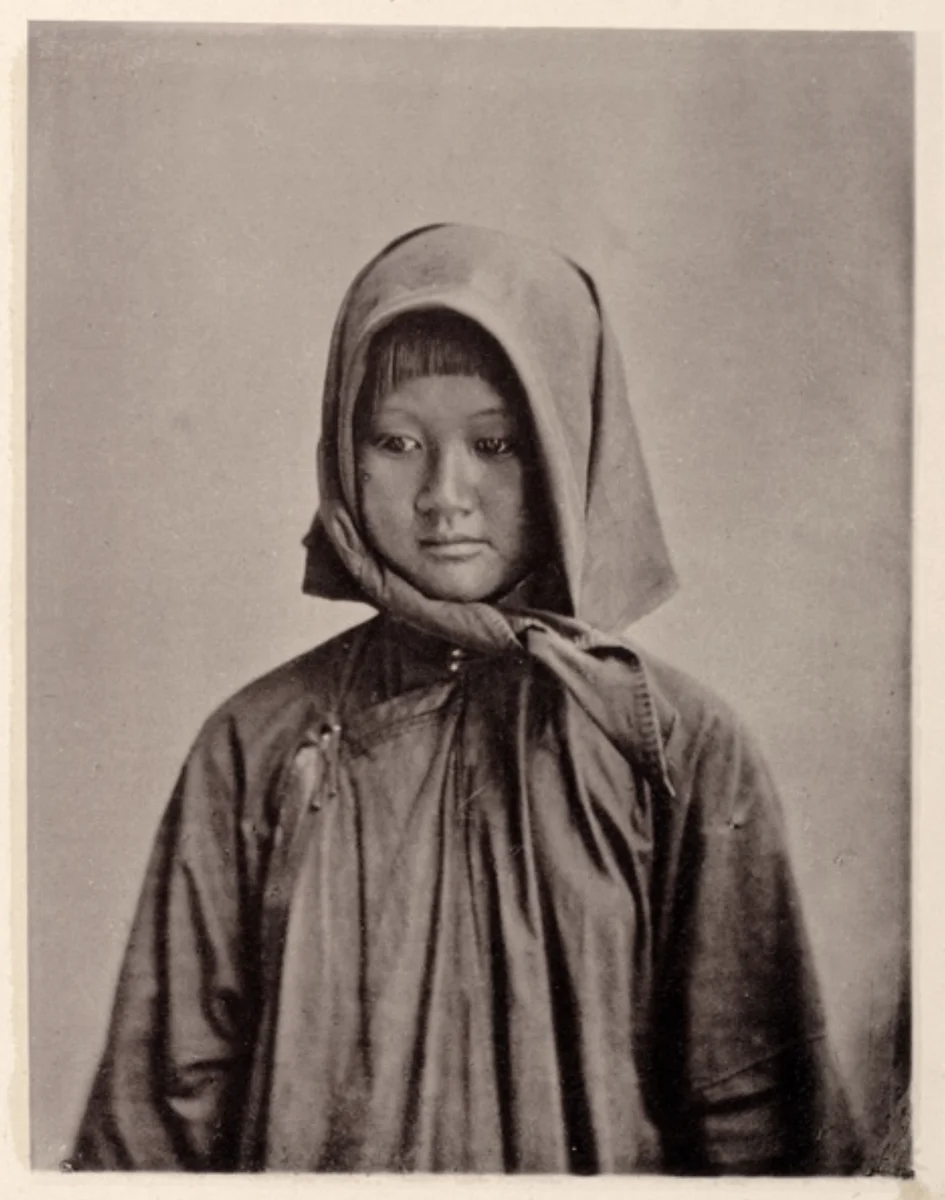
Between 1868 and 1872 Scottish photographer John Thomson made a series of trips in China travelling from Hong Kong to Beijing by boat and from Shanghai up the Yangtze to the Three Gorges. 

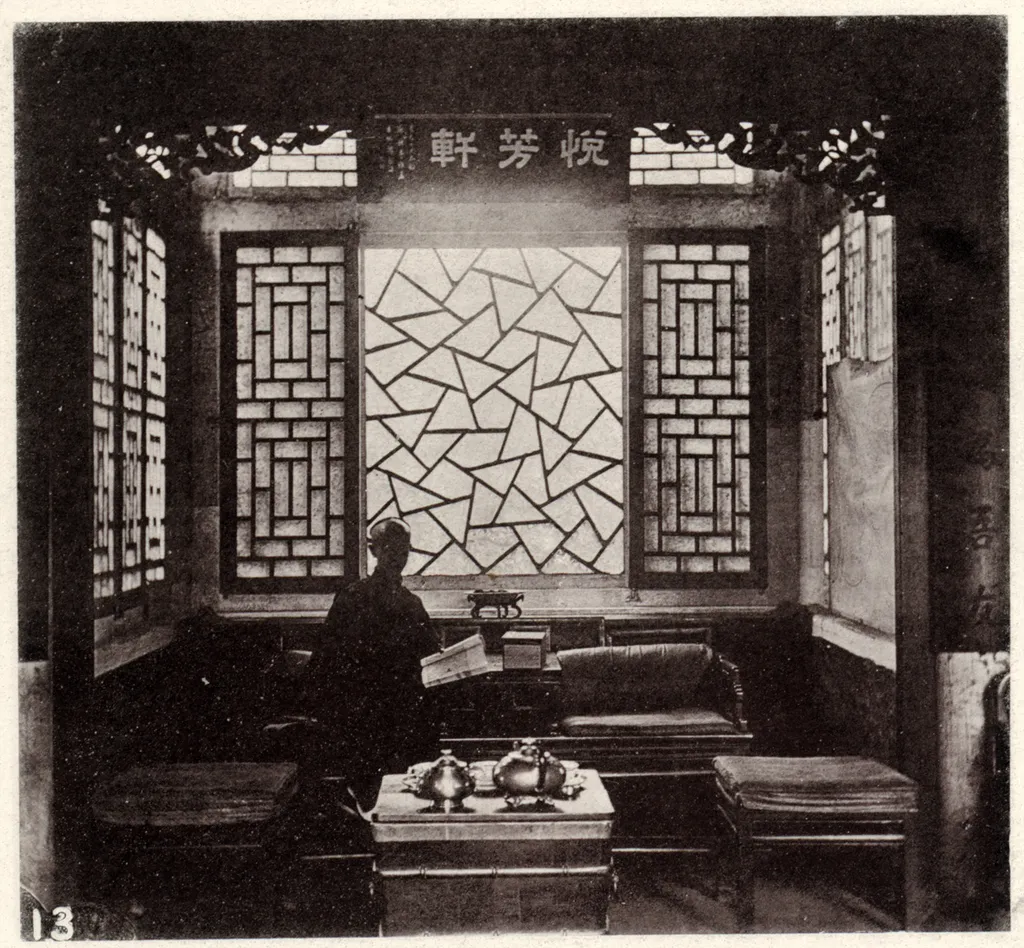
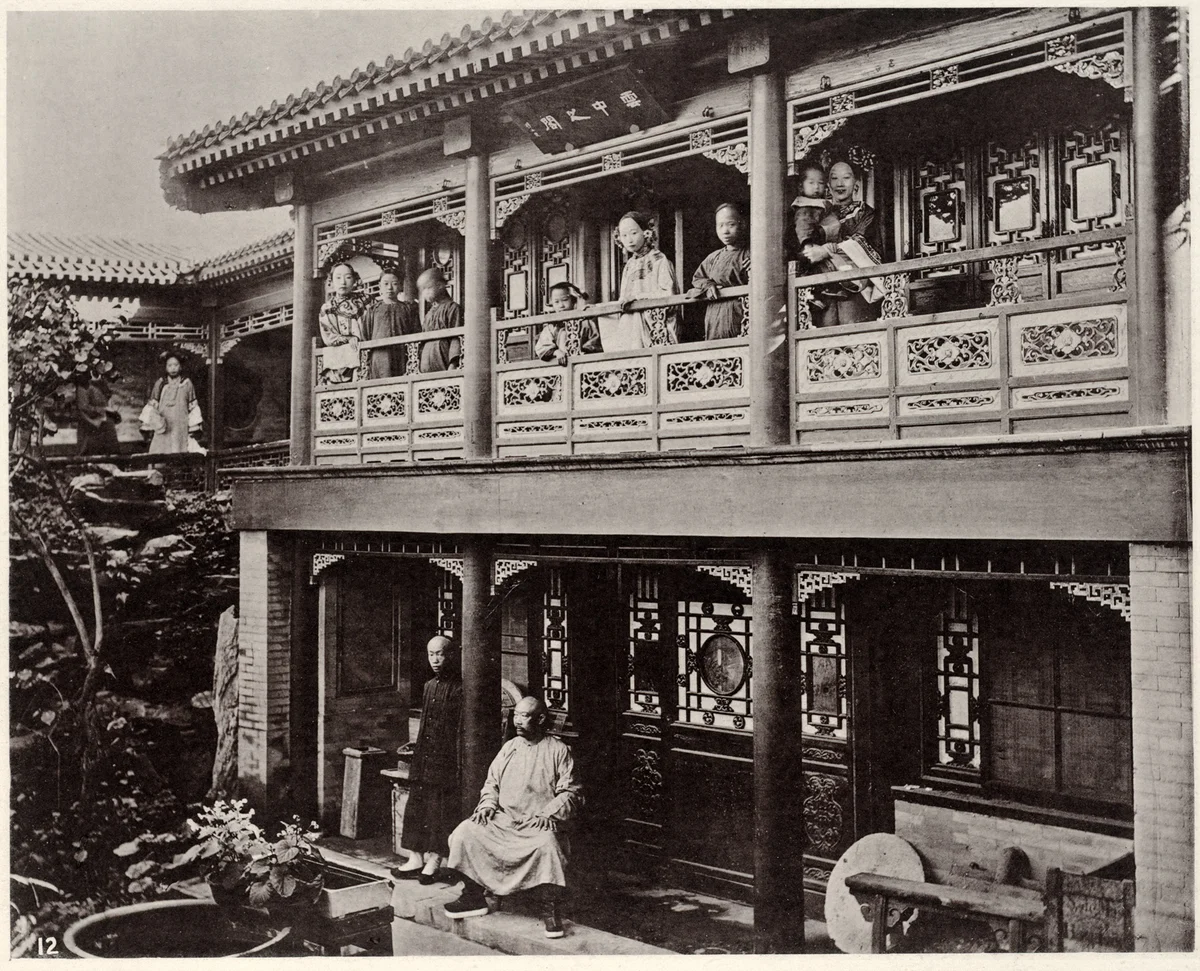
He produced a book of over 200 photos ​ arranged as a travelouge taking Europeans into Chinese homes of rich and poor. The photo above for example was taken in the home of Mr. Yang "a gentleman enormously rich, and holding an official rank in Peking.” (Thomson was clearly enchanted with Yang’s courtyard home which he described as "a paradise.”)

Home of Mr. Yang, Beijing 
Mr. Yang in his courtyard, Beijing

Many of the interior windows were covered with rice paper. Thomson noted that women (who were sequestered from the men) would touch their tounges to the paper making it temporarily transparent to peer through the spots as he passed by.

Look at these images full sized. There’s a lot hidden in the details. Unlike many other early photographers he didn’t spend all his time photographing palaces and ruins. He also captured a lot of daily life including peasants, merchants, and criminals. 


Liyang Jing (西洋镜) (a 'western mirror' device showing paintings of the Europe and America.)

It’s an extraordinary peek into a the complex layered society that would be swept away by the series of wars and revolutions that would  roil China for the much of the next 80 years. 


More early photography from China: Historical Photographs of China, Shackford Collection​, Cornell University Collection​ (search for “China") .

2am thoughts

Golden Age
I sometimes picture the ink

flowing from the books

thrown into the Tigris

by Hulegu Khan‘s army.

You never know it’s a golden age

'til it’s over.


Frames

If I open a shutter for a day,

people disappear.

In baobab  time,

Buildings vanish.

But consider the rock.

If you are a rock, there are only other rocks.

Forever.


Tortillas con azúcar

My abuelita 

made me sugar tortillas

and hot chocolate

every morning.

She and my abuelito

would joke about death

and about the conversations they would have on the other side.

She would say,

“Every day is the end of the world for somebody."

Sara Messinger

I’m a fan of single images that tell stories. 

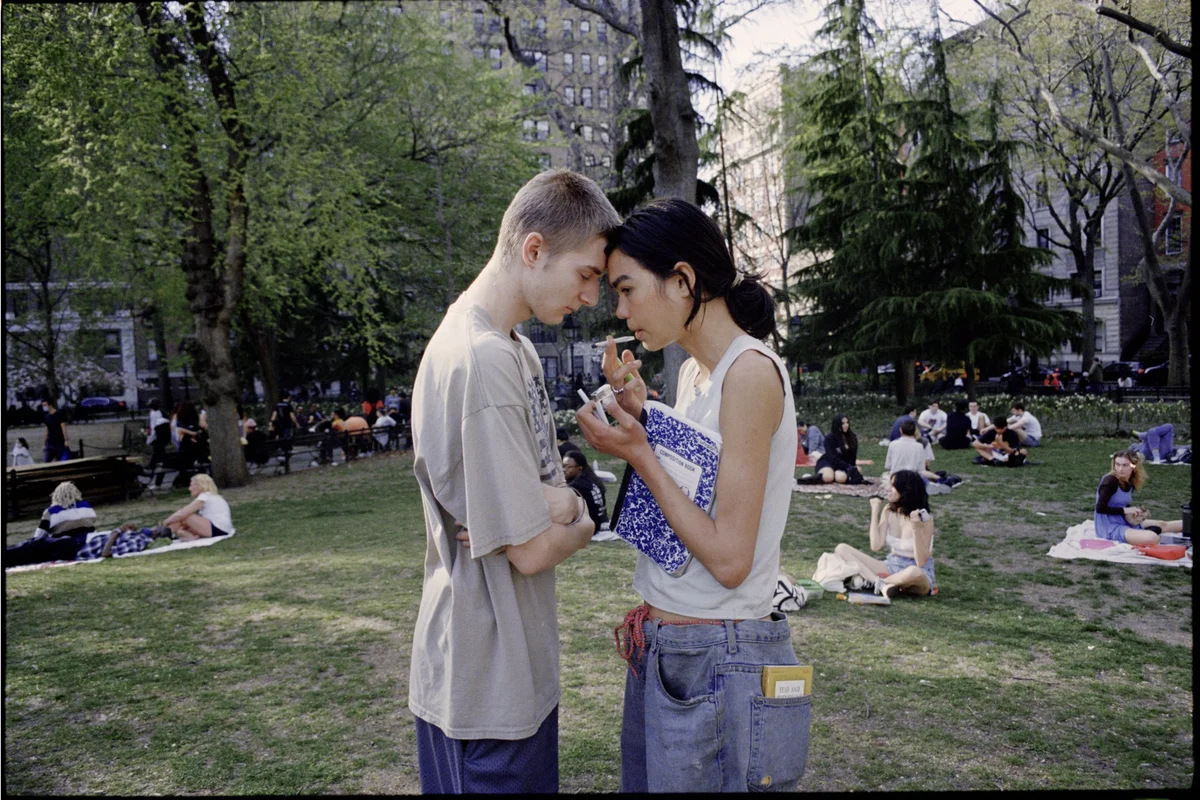
Sara Messigner​ is someone who notices things and sees stories all around. I love the combination of spontaneity and intensity of her images. As camera phones have become ubiquitous and everyone has become more camera-aware and it’s become increasingly difficult to make a truly candid image, yet Ms. Messigner seems to do it over and over again.

Joana Avillez

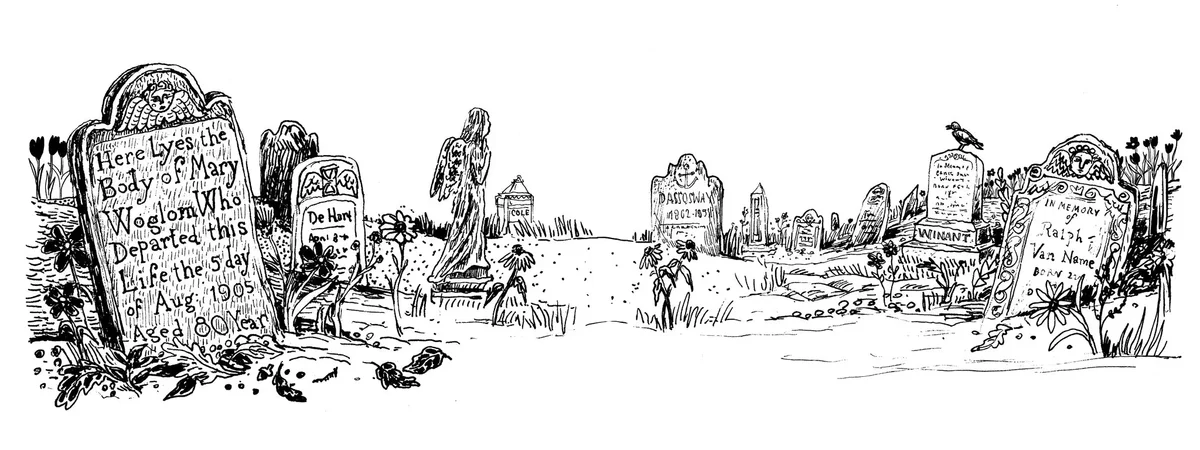
A few years before he passed, my friend Jason Polan ​and I were talking about illustrators we loved. I mentioned Joana Avillez. He stopped cold, put his hand on my shoulder and said, “dangerously cool.” And then repeated it for emphasis followed by, "She's the best." I had always wanted to work with her for Tinybop ​, or one of my many children’s book projects—not for her coolness, which I’m sure she has in spades—but for her good taste and light touch. As someone who’s enjoyed following her art ​, children’s book picks ​, and vintage photo obsessions ​ for years, she never seems to miss. Today’s NY Times posted a nice feature on Avillez ​ on her six-year journey illustrating a new edition of Joseph Mitchell’s “ The Bottom of the Harbor ​.” If you don’t know the book, Science Survey ​ explains why it was important and how Avillez’ work brings it to life. They describe Mitchell as a listener. I characterize Avillez as a noticer. This is a great match, and I can’t wait to get my copy.
Adali Schell

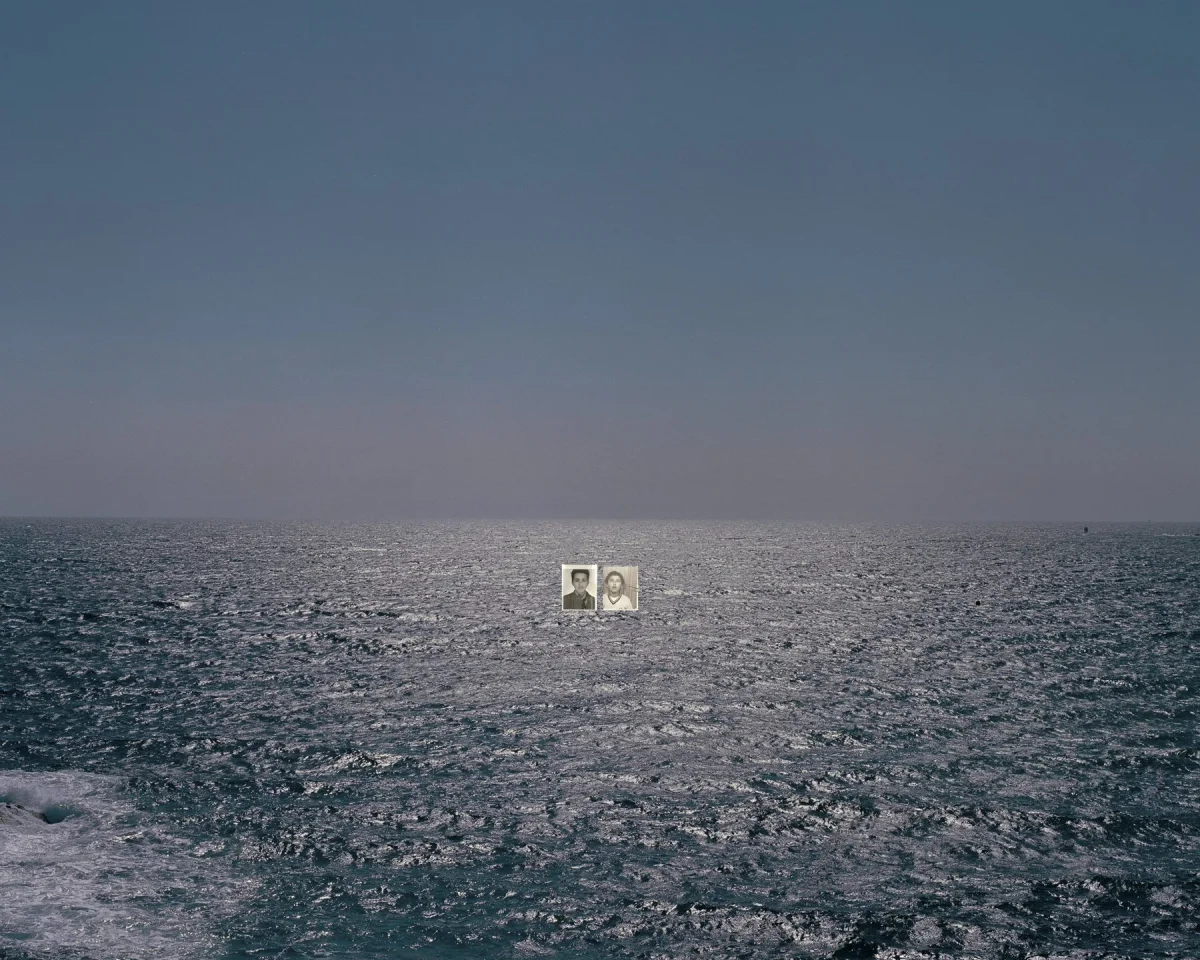
I started noticing Adali Schell​’s byline on photos in the NYTimes a few years ago. I recently clicked over and found his personal work is worth the look. It has an arresting chaotic California energy about it. 

Also sidenote, hey NYTimes why not use phtographer credits, to link to all their work in the paper?

Japanese Picture Books Part II

More Japanese picture books I love: 


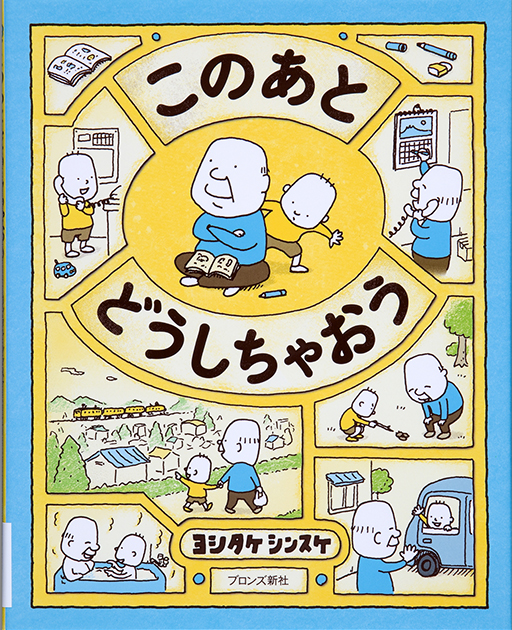
Yoshitake Shinsuke - Kono ato doshichao [What happens next?]

This is the cutest kid’s book about death you’ll ever find. 


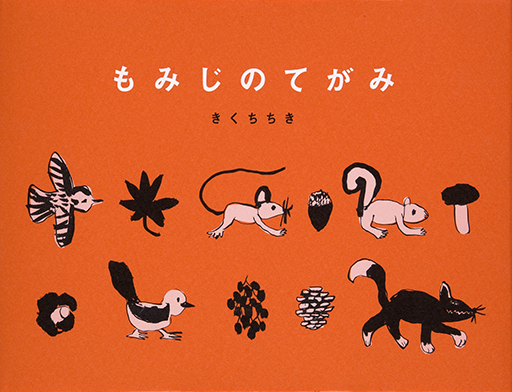
Kikuchi Chiki - Momiji no tegami [The Japanese maple letter]

A mouse searches for a red maple leaf. 

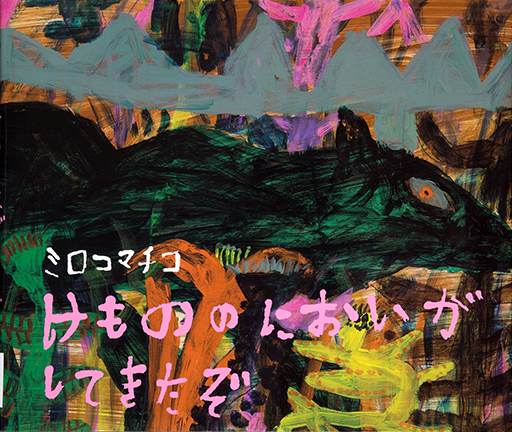
Miroko Machiko - Kemono no nioi ga shitekitazo [I smell a beast]

I think this book is largely about Japanese onomatopoeia but the illustrations are so great, it’s worth checking out even if we lose the language in English. 


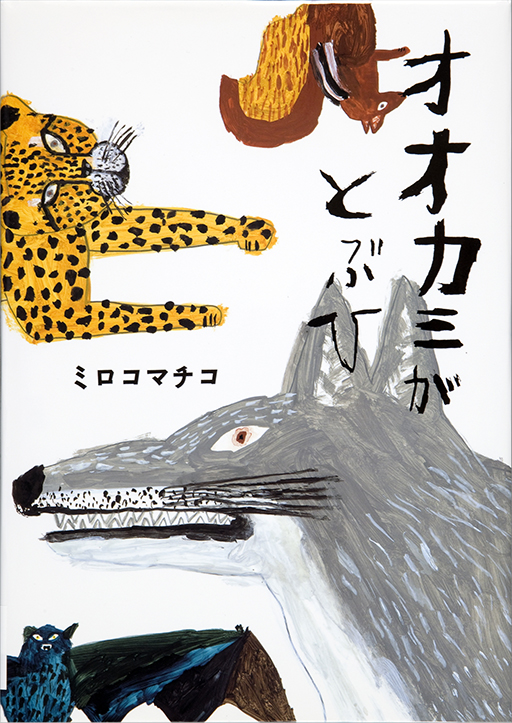
Miroko Machiko - Okami ga tobu hi [The day the wolf flew]

A book about animals. 

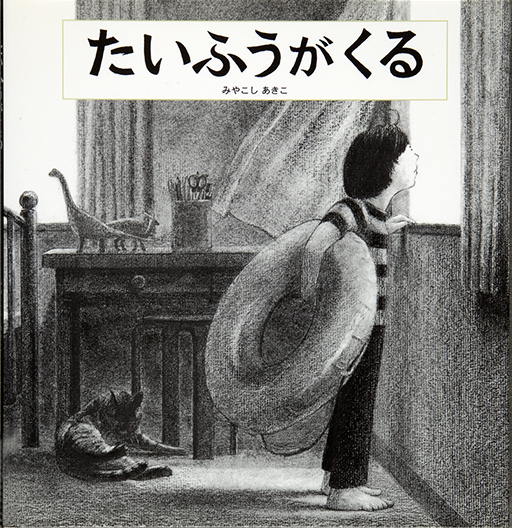
Miyakoshi Akiko - Taifu ga kuru [A typhoon is coming]

A typhoon heads in on a beach day. 

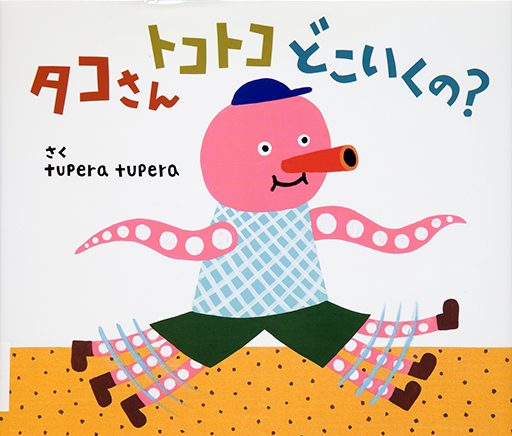
tupera tupera - Takosan tokotoko doko ikuno? [Mr. Octopus where are you rushing to?]

An octopus travels in many vehicles.


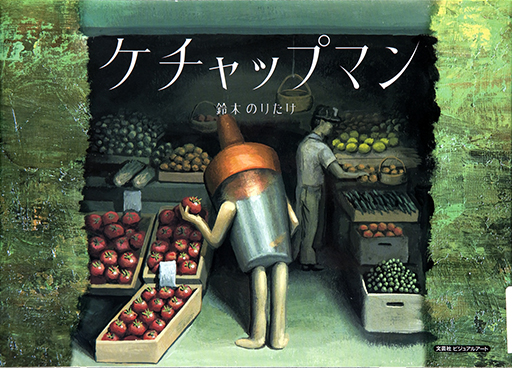
Suzuki Noritake - Kechappuman [Ketchup man]

A ketchup man is unsure about being a ketchup man. 

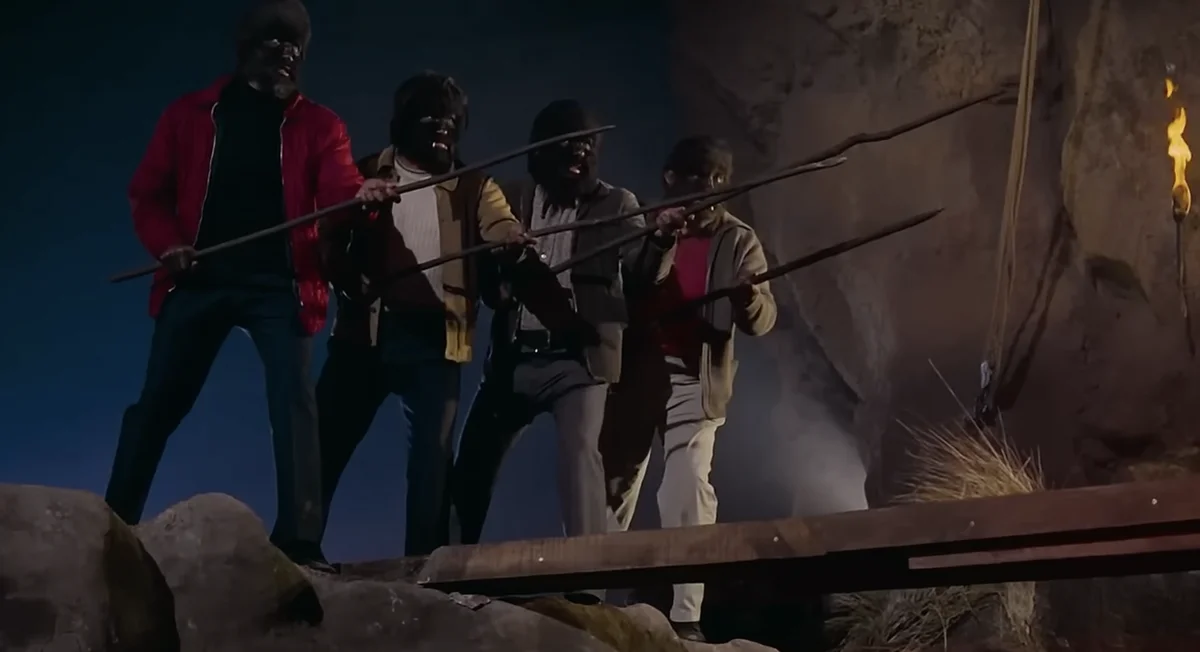
1982 Lament

Your cousin wants the Cantinflas Show.

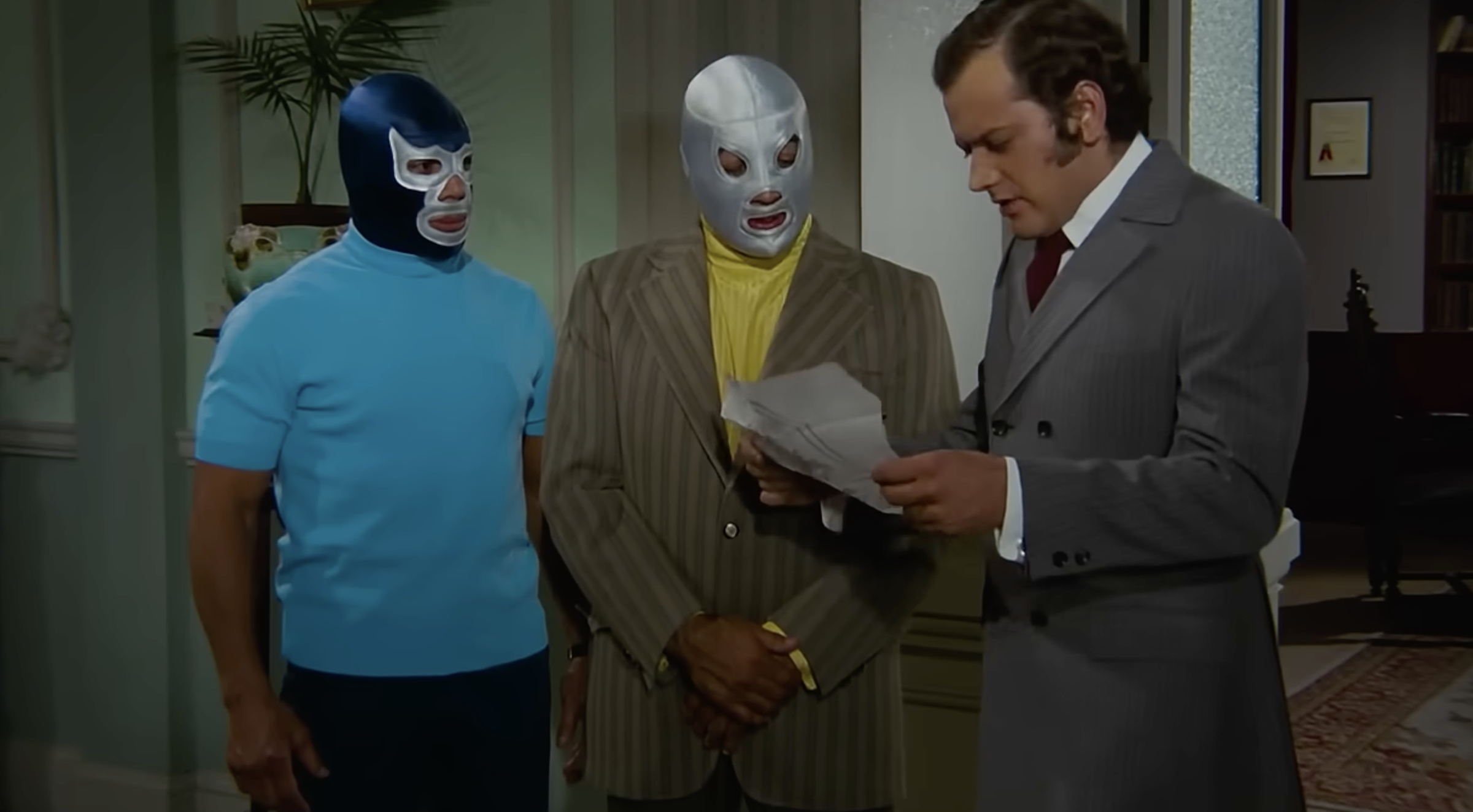
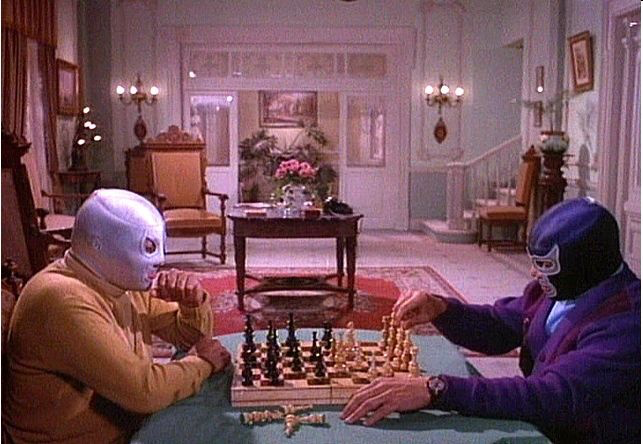
But you prefer El Santo​. 

El Santo who will will battle 

throat slashers in suits, 

werewolves in sweaters, 

and Dracula ladies in short skirts.

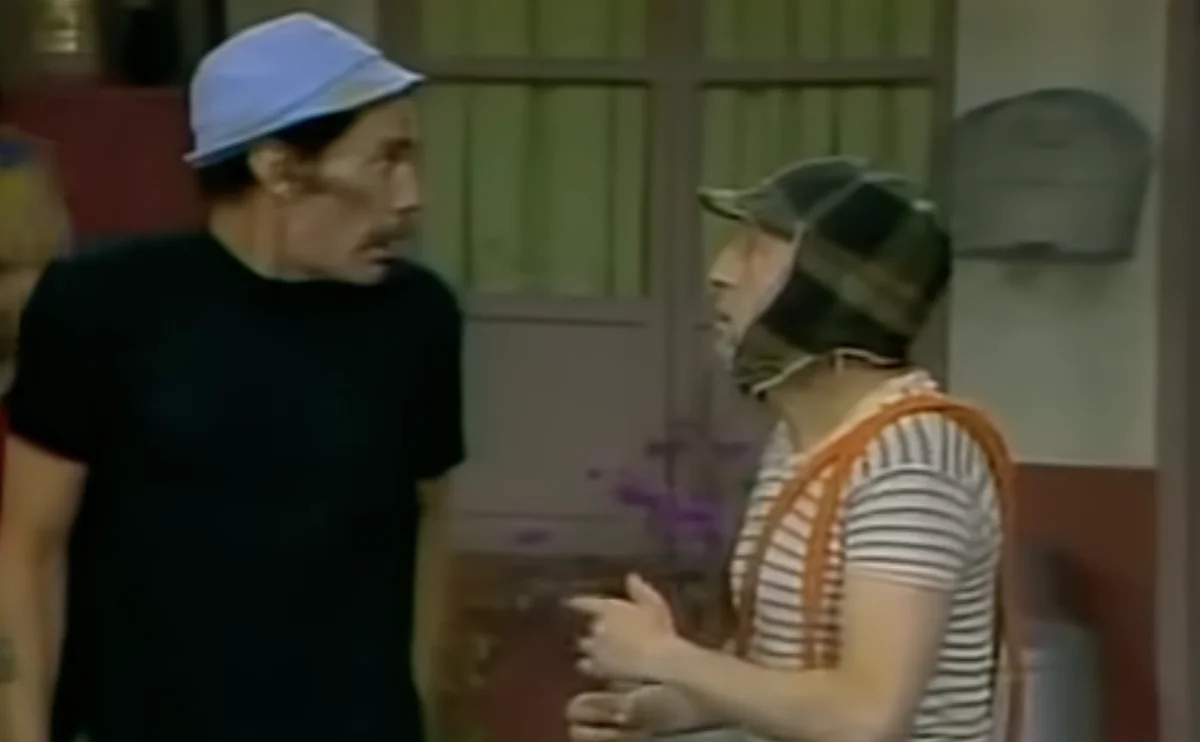
But first you have to sit through El Chavo del Ocho.

Will it never end?

El Chavo del Ocho
Cantinflas Show
El Santo
El Santo
 

Camille Farrah Lenain

I love looking at the work of photographers whose work comes from a place far outside my experience. Camille Farrah Lenain’s photography​​ explores the lives of women hunters, a gay Algerian uncle, the occassional alligator, and wrongfully convicted men and woman. Much of her work is infused with the earthy reality of New Orleans where she seems to spend time. I’ll be eager to revisit her work over time.

Archive

1999 — 2026
2026
Jan Mar Apr May Jun Jul Sep
2025
May Jun Oct
2024
2023
2022
2021
Jan
2020
Mar Apr May Jun Jul Oct Dec
2019
Jan
2018
Apr
2017
Oct Nov
2016
Mar
2015
Dec
2014
Oct
2013
Mar Apr May
2012
Jan Feb Mar May Jun Jul Aug Sep Oct
2004
Mar Jul Aug Sep Oct Nov Dec
2003
Mar Apr
2002
2001
2000
1999
May